Air Canada Express Flight 8646 Collides With Fire Truck On Landing At LaGuardia

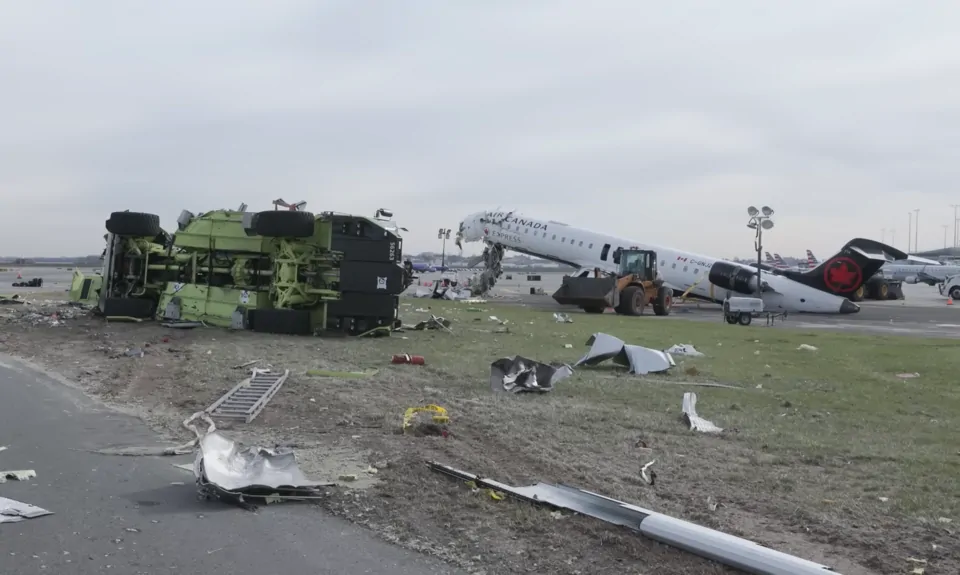
A Jazz Aviation CRJ900 struck an airport firefighting vehicle on runway 4 during landing in New York, killing both pilots and injuring dozens of people on board and on the ground.
A regional jet operating as Air Canada Express flight 8646 has collided with an airport firefighting truck while landing at LaGuardia Airport in New York, killing both pilots and leaving dozens of people injured. The accident occurred late on March 22, 2026, marking the first fatal crash at the airport in more than three decades.
The flight, operated by Jazz Aviation on behalf of Air Canada Express, had departed Montréal–Trudeau International Airport more than two hours behind schedule and was on approach to LaGuardia in heavy rain with visibility reduced to roughly three miles.
What Happened On The Runway
The aircraft involved was a 20-year-old Bombardier CRJ900 registered C-GNJZ, carrying 72 passengers and four crew members — 76 people in total.
Minutes before the collision, air traffic control had cleared an airport fire truck to cross runway 4. The vehicle, operated by the Port Authority Aircraft Rescue and Firefighting unit, had been dispatched to assist a United Airlines Boeing 737 MAX that aborted its takeoff twice after reporting anti-ice warnings and a foul odor in the cabin.
With the Air Canada Express jet already on short final, the controller issued urgent calls for the truck to stop. It was too late. At 11:38 p.m., the CRJ900 struck the rear-right side of the fire vehicle at an estimated ground speed of 90 knots. Security footage shows the truck rolling over as the jet's nose section absorbed the impact.
The cockpit and forward galley were destroyed. Captain Antoine Forest, 30, of Coteau-du-Lac, Quebec, and First Officer Mackenzie Gunther, 24, of Ottawa, Ontario, were killed. A flight attendant seated on a jump seat near the cockpit was ejected from the aircraft and found more than 330 feet from the wreckage; she survived with serious injuries including leg and spinal fractures.
Passengers described a hard braking sequence immediately after touchdown, followed by a violent impact that threw people against seats and cabin fittings. Several travelers helped open an emergency exit and evacuate others down the wing. One passenger credited the flight crew's reflexes, saying the pilots appeared to brake aggressively just before the collision.
Both occupants of the fire truck — a Port Authority police officer and sergeant — were also hurt and taken to hospital in critical but non-life-threatening condition. In total, 39 people were injured. Most were treated and released quickly; a smaller number remained hospitalized in the days that followed.
Air Traffic Control Under Pressure
The collision unfolded during a busy and difficult night at LaGuardia. Two controllers on duty were each working two positions simultaneously as part of a reduced overnight staffing arrangement.
Released ATC audio captured the controller ordering the truck to stop only seconds after clearing it across the active runway. After the impact, the same controller could be heard saying "I messed up" on the frequency. A Frontier Airlines pilot who witnessed the collision later told the controller, "you did the best you could."
Investigators are examining how the runway incursion occurred and whether ground surveillance systems could have prevented it. The NTSB has noted that the fire truck was not equipped with an ASDE-X transponder, which helps radar systems track vehicles on airport surfaces.
Airport Shutdown And Investigation
LaGuardia was closed following the accident and did not reopen until 2:00 p.m. on March 23. Runway 4/22, where the collision took place, remained shut while investigators documented the debris field and did not reopen until March 26.
The FAA issued a ground stop, and arriving traffic was diverted to John F. Kennedy and Newark airports, adding further strain to an already disrupted evening in the New York area.
The NTSB is leading the investigation with assistance from the Transportation Safety Board of Canada. A preliminary report was released on April 23. The bodies of both pilots were repatriated to Canada on March 26.
A Rare Fatal Event At LaGuardia
The last fatal accident at LaGuardia occurred in 1992, when USAir flight 405 crashed on departure. The March 22 collision has renewed debate about runway safety, controller workload during overnight operations, and coordination between air traffic control and airport emergency vehicles during simultaneous incidents.
Officials on both sides of the border have offered condolences. Canada's transport minister said Canadian investigators were in New York working to determine what went wrong. The tragedy has also drawn political attention in Canada, where Air Canada's response to the accident sparked criticism over language requirements in official communications.
Related Aviation News
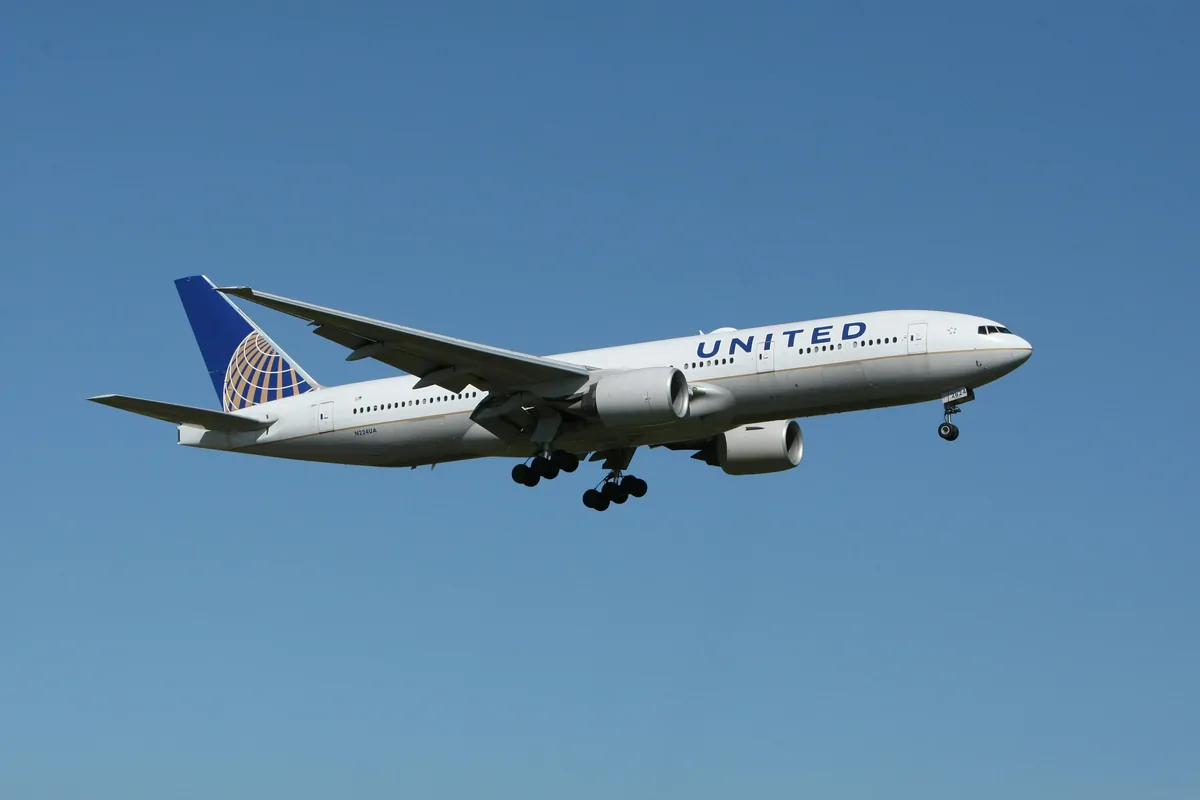
United Flight UA969 Reaches San Francisco After Rare Double Diversion From Amsterdam
A Boeing 777 operating United's Amsterdam-San Francisco route returned to Schiphol, then stopped in ...
Read full article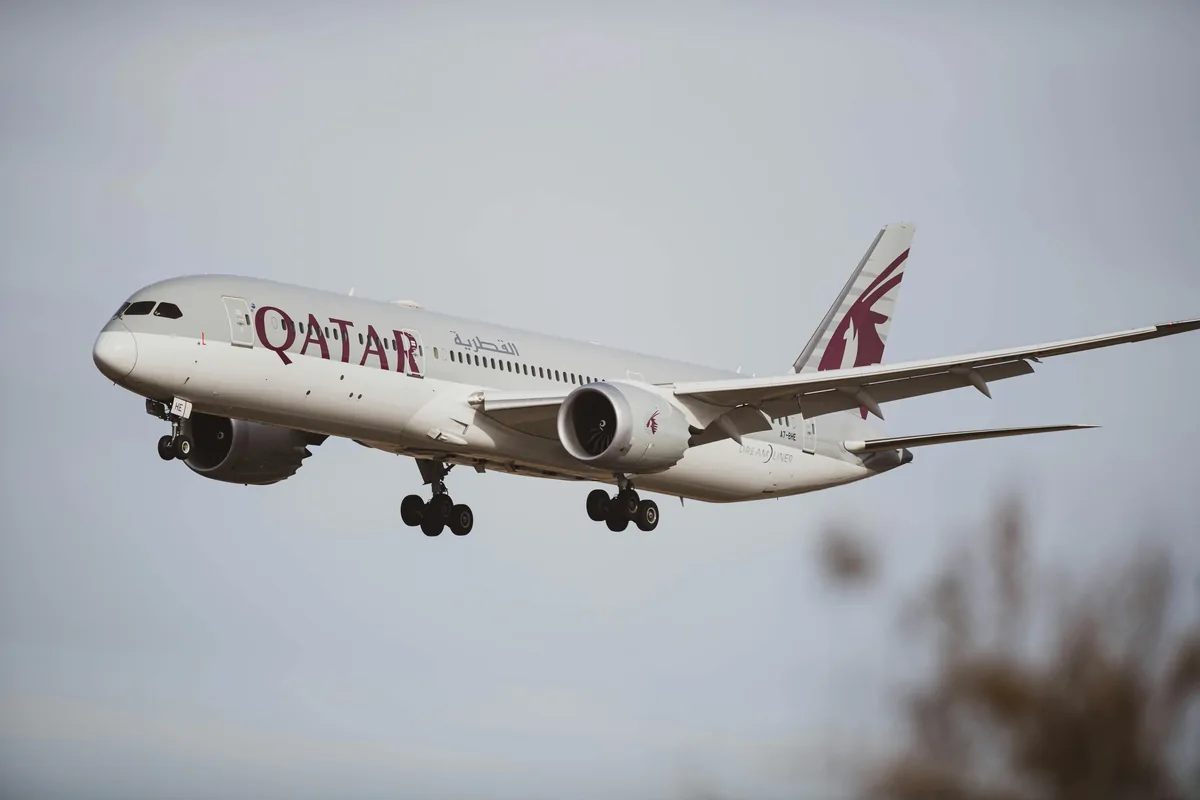
Qatar Airways Posts Nearly $2 Billion Profit While Ordering 210 Boeing Widebodies
The Doha-based carrier reported record earnings for fiscal 2025/26 and unveiled a landmark Boeing or...
Read full article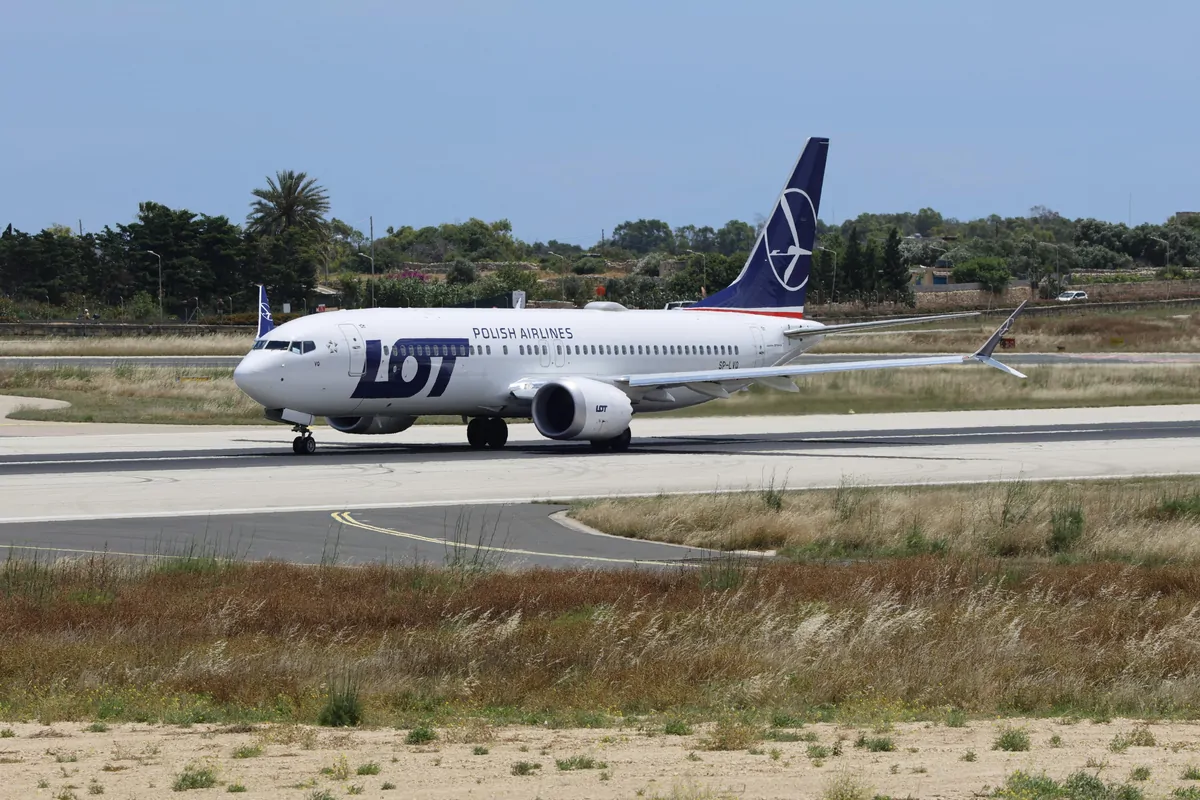
LOT Polish Airlines Sues Boeing In Court While Continuing To Fly 26 737 MAX Jets
Poland's flag carrier is seeking damages over the 737 MAX grounding, arguing Boeing concealed safety...
Read full article