
United Flight UA969 Reaches San Francisco After Rare Double Diversion From Amsterdam
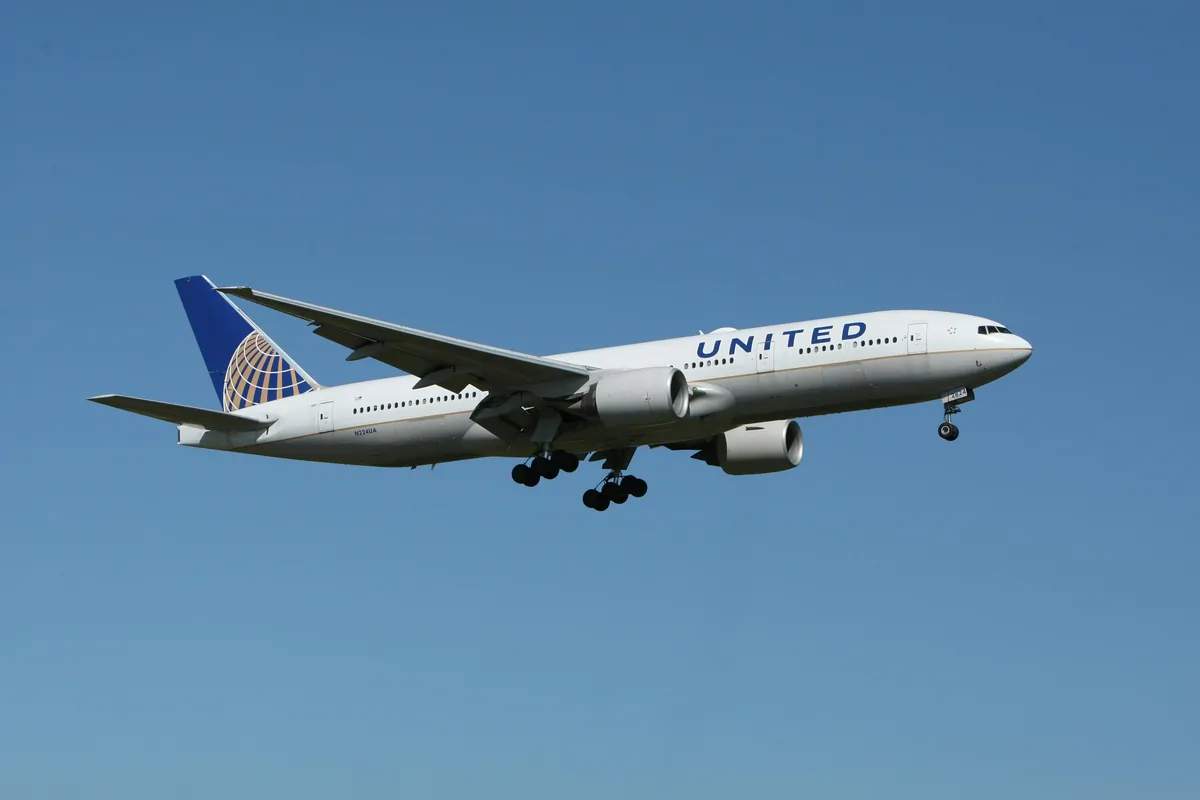
A Boeing 777 operating United's Amsterdam-San Francisco route returned to Schiphol, then stopped in Newark, before completing the trip nearly 24 hours after it first departed.
Passengers booked on a straightforward transatlantic hop instead received a lesson in how quickly a long-haul schedule can unravel. United Airlines flight UA969, a Boeing 777-200ER flying from Amsterdam Schiphol to San Francisco, was diverted twice during the same trip, first back to the Netherlands, then to Newark, before finally reaching California on the morning of May 25.
The jet, tail number N785UA, is nearly three decades old and ranks among the earliest 777-200ER models still flying for United. Delivered in the late 1990s, it illustrates the age profile of much of the carrier's legacy widebody fleet, though no official connection has been drawn between the aircraft's age and the events of May 24.
First Attempt: A Turnaround Over The North Sea
UA969 pushed back from Schiphol around 3:00 PM local time on May 24 for what should have been an 11-hour nonstop to the West Coast. Within the first hour, however, the 777 stopped progressing west and began maneuvering over the North Sea. Flight tracking services showed the aircraft holding and then heading back toward Amsterdam, where it landed safely after roughly two hours aloft.
Speculation on social media and in aviation forums centered on a systems-related fault, but United has not confirmed a cause. Returning to the departure airport during the opening phase of an intercontinental flight is a well-established practice: engineers, spare components, and qualified crews are already on site, avoiding the complications of diverting to a smaller alternate overseas.
Second Attempt: Atlantic Crossing, Then Newark
Ground teams spent several hours examining N785UA before clearing it for another departure. UA969 left Amsterdam again at about 6:50 PM, more than four hours late, and this time made it across the Atlantic.
The relief was short-lived. After approximately eight hours airborne on the second attempt, the crew elected to land at Newark Liberty International Airport rather than continue to San Francisco. United has released no statement explaining that decision.
Two diversions on a single scheduled service is exceptional. Commercial airlines routinely handle one-off returns or unplanned landings, but a jet that has already been inspected and re-cleared, only to divert again hours later on the same routing, is the kind of sequence that draws attention from operators and observers alike.
Third Leg And A Journey That Lasted A Day
From Newark, UA969 eventually continued west. The final sector departed shortly after 11:30 PM on May 25 and touched down in San Francisco around 1:30 AM local time.
Measured from the original May 24 departure time, the trip consumed close to a full day, a stark contrast with the single boarding pass most travelers had expected. Real-time tracking platforms logged each leg as aviation enthusiasts followed the aircraft's path from Europe to the US East Coast and, at last, to California.
Why This Case Stands Out
Individual diversions happen for many reasons: medical events, weather, fuel calculations, or cautionary responses to cockpit warnings. The unusual element here is the chain of events, return to origin, successful ocean transit, and then another unplanned stop before the destination.
For the people on board, the disruption meant hours of waiting without clear answers, missed connections, and rearranged plans on the ground in two countries. Until United addresses the matter publicly, the specific triggers for both the Amsterdam return and the Newark landing remain unknown.