Preparation Software for FEAST

ATCO Europe SW

About ATCO Europe SW

ATCO Europe SW is an independent and comprehensive preparation software developed to support candidates preparing for the FEAST (First European Air Traffic Controller Selection Test). Our advanced training platform helps you master the skills needed for success. While the official preparation materials for FEAST are limited in scope, our platform aims to deliver realistic training modules designed to mirror the types of skills typically evaluated in the FEAST assessment, enabling candidates to build essential competencies for success.

Key Benefits

  • Most realistic preparation software for FEAST on the market
  • Comprehensive practice platform covering all essential test modules
  • Continuous software updates and upgrades
  • Advanced statistics to track your progress and identify weak areas
🎯

Skills You'll Develop

  • Spatial awareness and visualization
  • Multitasking under pressure
  • Working memory and attention control
  • Quick numerical processing
🏆

Your Competitive Edge

Compare your performance with other ATC candidates worldwide. Get valuable insights into your strengths and identify areas for improvement to gain a competitive edge.

What Our Students Say

See It In Action

Choose Your Subscription

14 Days Access

19.99

Focused prep for those with limited time before the test.

Risk free purchase — contact us within 24 hours if not satisfied and receive a full refund
Selected
Best Value

6 Months Access

59.99

Best value for long-term learning and maximum readiness.

Risk free purchase — contact us within 24 hours if not satisfied and receive a full refund

Select Operating System

14 Days Access

19.99

Focused prep for those with limited time before the test.

Risk free purchase — contact us within 24 hours if not satisfied and receive a full refund
Selected
Best Value

6 Months Access

59.99

Best value for long-term learning and maximum readiness.

Risk free purchase — contact us within 24 hours if not satisfied and receive a full refund

Select Operating System

What Happens After Purchase?

1
Instant Access

Receive your software download link and credentials immediately via email after receiving your payment.

2
Easy Installation

Download the software and follow the simple installation guide included in your email.

3
Start Training

Begin your preparation immediately with all 14 training modules available from day one. Start building the skills you need to succeed.

Training Modules included in ATCO Europe SW

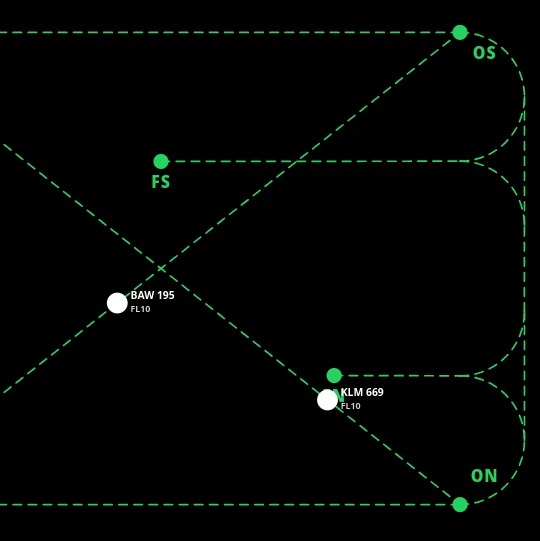
Radar Control training module screenshot
#1

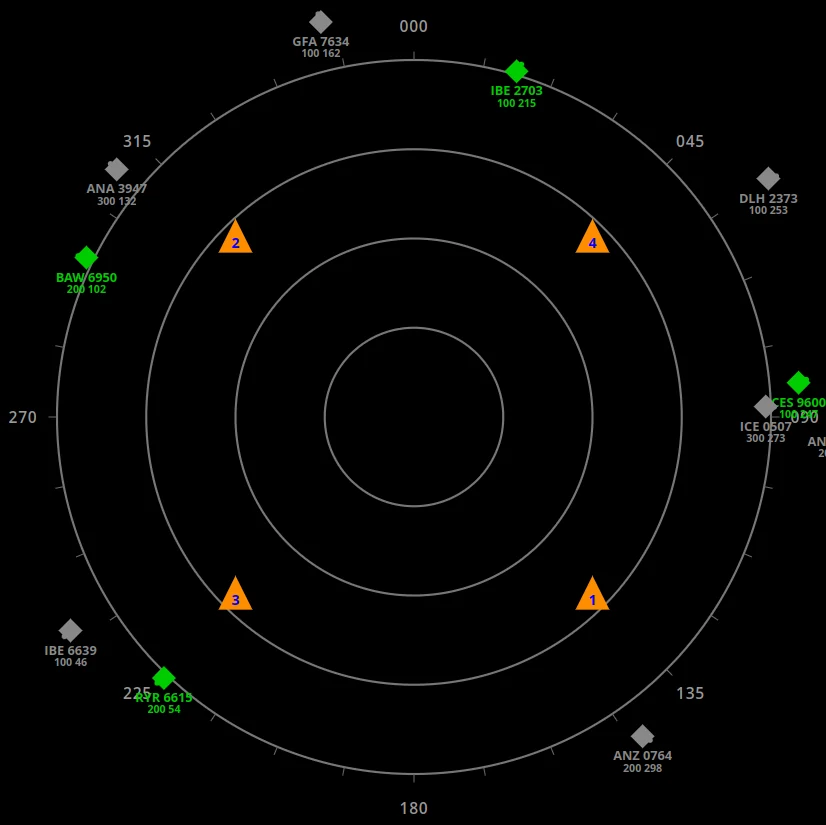
Radar Control

Take command of an airspace sector in Radar Control Test, where you'll manage multiple aircraft with precision. Direct planes from their entry points to designated exit points, optimizing routes for maximum efficiency while ensuring safe separation.

Learn more about Radar Control

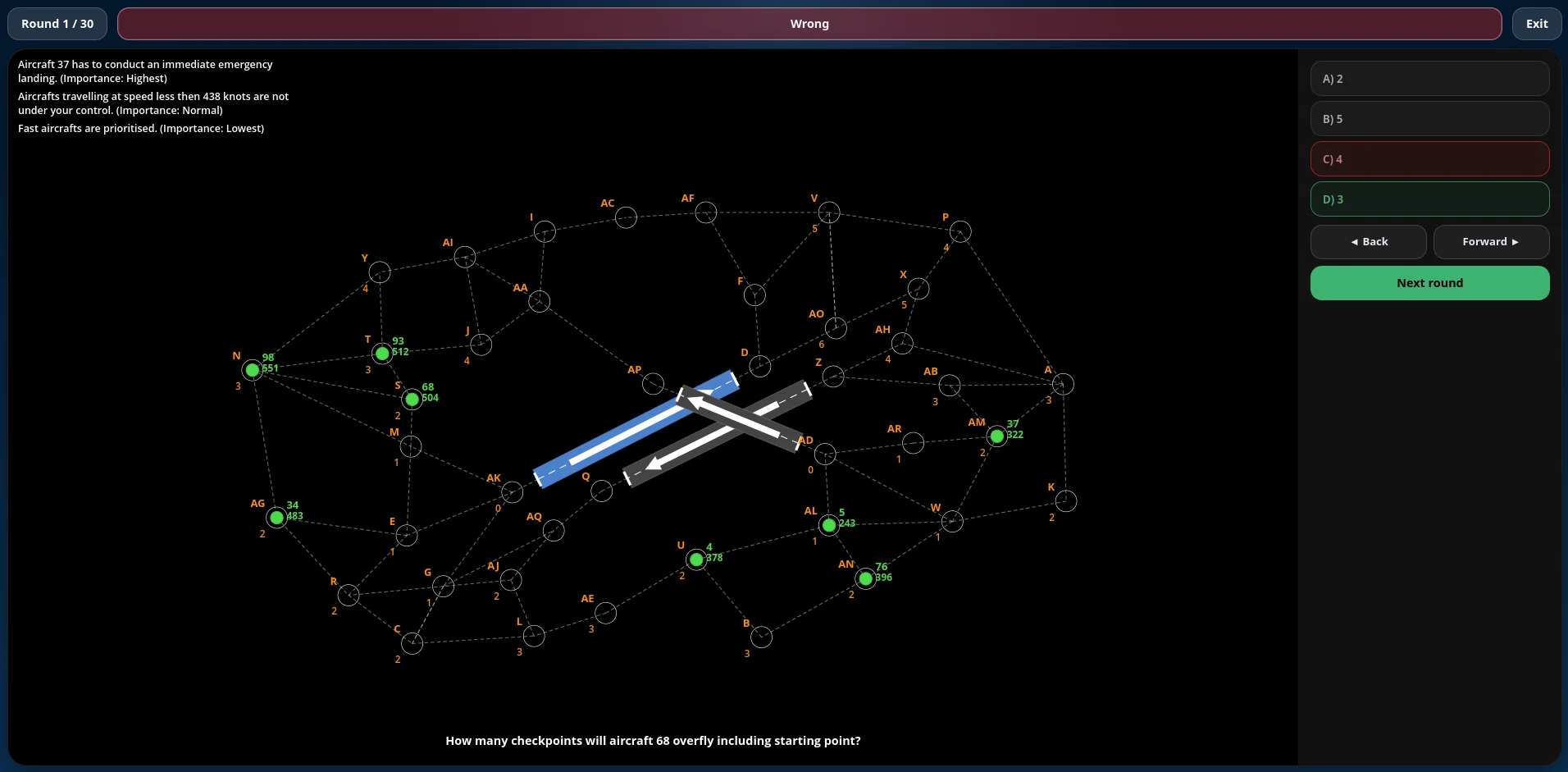
Plan Aircraft training module screenshot
#2

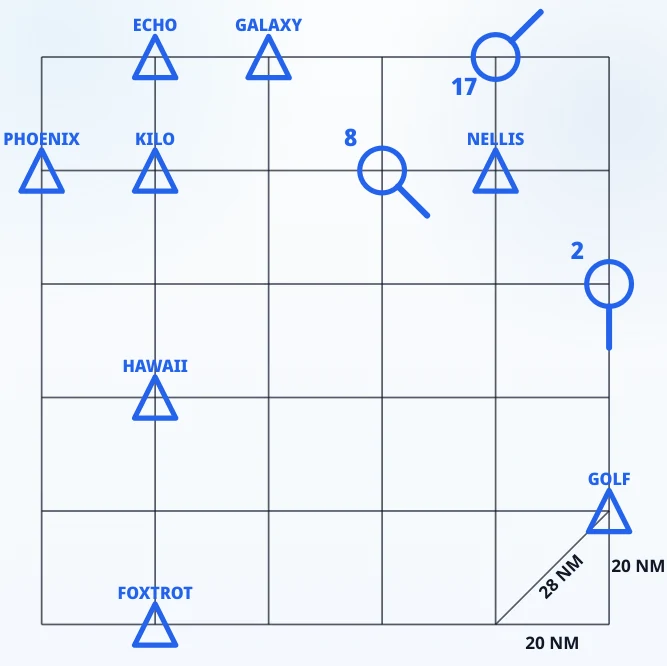
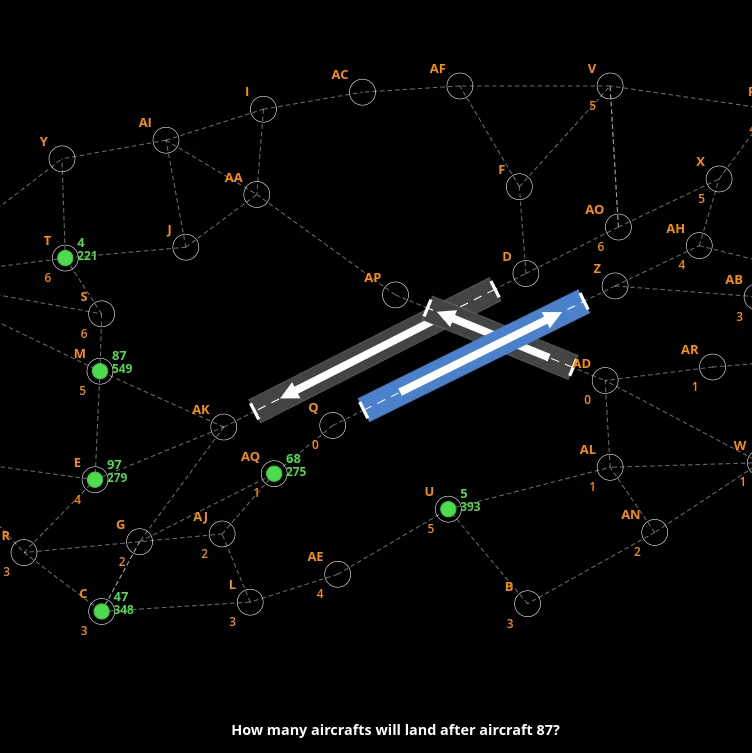
Plan Aircraft

This test evaluates your capacity for strategic foresight and decision-making under time pressure in evolving scenarios. You'll work within simplified airspaces featuring multiple checkpoints and airport runways.

Learn more about Plan Aircraft
Detect Conflicts training module screenshot
#3

Detect Conflicts

This module tests your ability to identify and resolve potential heading conflicts between aircraft, ensuring safe separation and efficient traffic flow.

Learn more about Detect Conflicts
Divided Attention training module screenshot
#4

Divided Attention

Practice managing multiple tasks simultaneously while maintaining accuracy and efficiency in this challenging divided attention module.

Learn more about Divided Attention
Multi Attention training module screenshot
#7

Multi Attention

Enhance your multitasking abilities by managing multiple concurrent tasks while maintaining high performance across all areas.

Learn more about Multi Attention
Stay Alert training module screenshot
#9

Stay Alert

Build your sustained attention and vigilance skills to maintain peak performance during extended periods of monitoring.

Learn more about Stay Alert
Pick The Number training module screenshot
#10

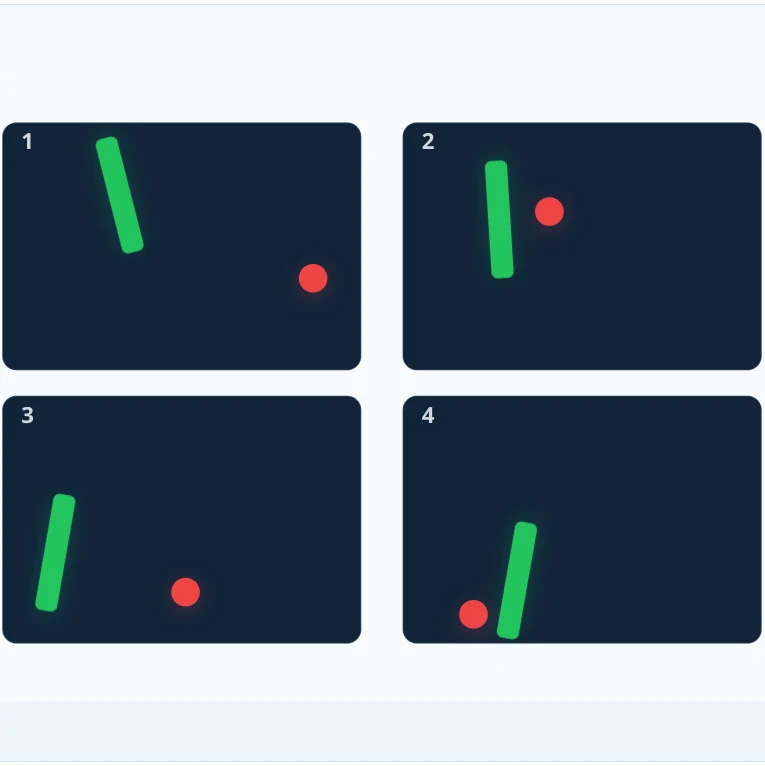
Pick The Number

Develop your numerical processing and quick decision-making abilities in this fast-paced number selection challenge.

Learn more about Pick The Number
Fold Cubes training module screenshot
#11

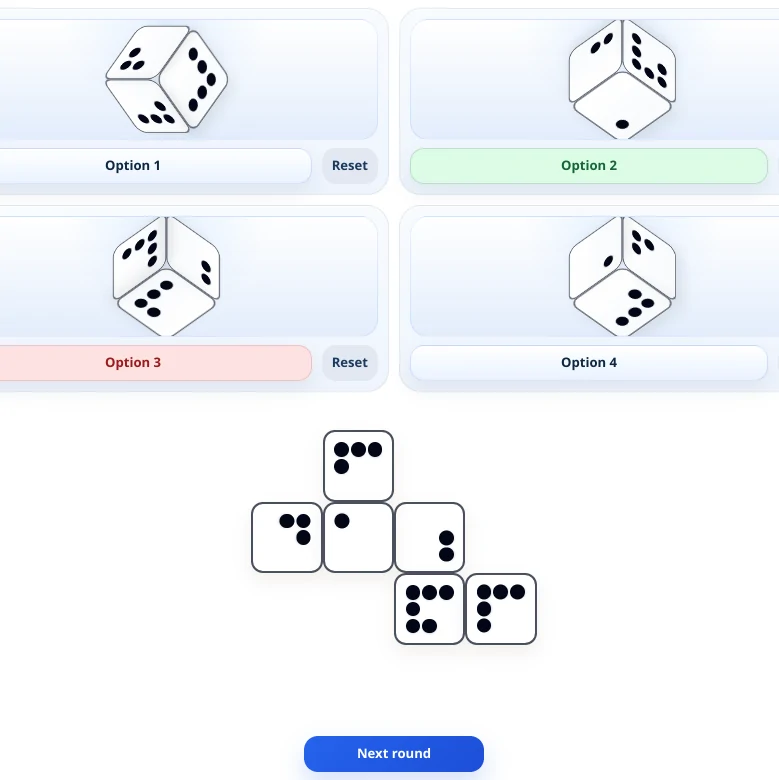
Fold Cubes

Enhance your spatial visualization skills by mentally manipulating 3D objects and predicting their folded configurations.

Learn more about Fold Cubes
DART training module screenshot
#12

DART

Experience realistic air traffic control scenarios with dynamic situations requiring quick thinking and adaptive decision-making.

Learn more about DART
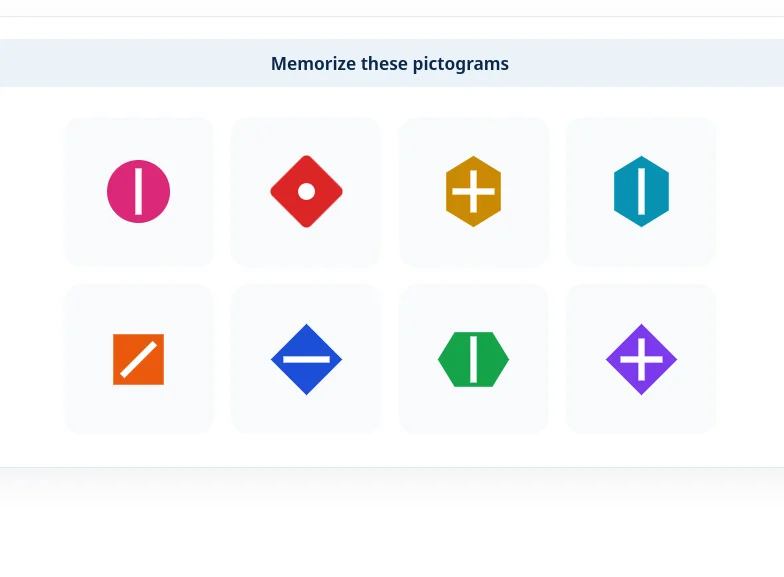
Memory Competence training module screenshot
#13

Memory Competence

Strengthen your working memory capacity to retain and recall critical information during complex air traffic situations.

Learn more about Memory Competence
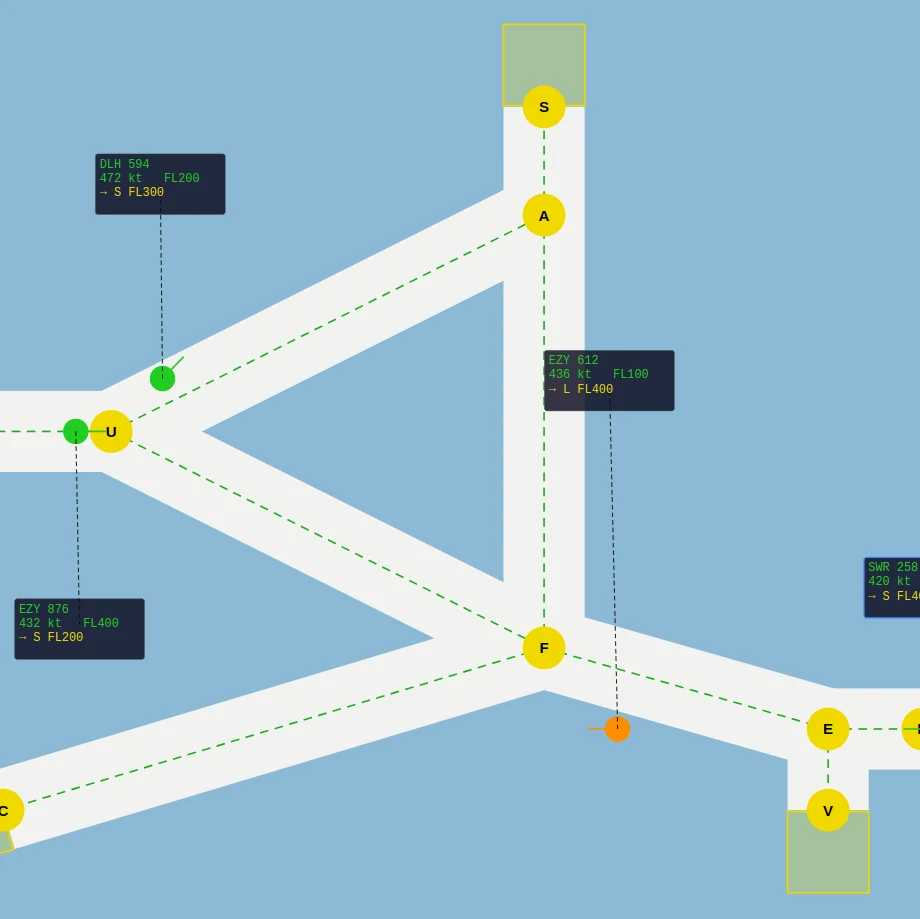
Multi Pass training module screenshot
#14

Multi Pass

Master complex air traffic management by coordinating multiple aircraft through waypoints, managing flight strips, and responding to audio callsign challenges.

Learn more about Multi Pass

FAQ

FEAST (First European Air Traffic Controller Selection Test) is a computer-based cognitive assessment developed by EUROCONTROL to evaluate candidates applying for Air Traffic Controller (ATC) positions across Europe. This psychometric assessment measures essential cognitive abilities including spatial awareness, multitasking capabilities, working memory, logical reasoning, and decision-making under pressure. The FEAST assessment is standardized across European aviation authorities and serves as a critical screening tool in the air traffic controller recruitment process. It consists of multiple modules that simulate real-world air traffic control scenarios, testing candidates' ability to process information quickly, maintain situational awareness, and make accurate decisions in time-critical situations.

FEAST is considered challenging because it evaluates high-level cognitive abilities under time pressure, which accurately reflects the demands of air traffic control work. The difficulty varies depending on your natural cognitive strengths, but most candidates find the multitasking and spatial reasoning modules particularly demanding. The assessment requires maintaining accuracy while processing multiple streams of information simultaneously—a skill that takes practice to develop. However, with proper preparation using realistic practice tests and understanding the test format, many candidates successfully pass. The key is consistent practice over 4-8 weeks, focusing on your weaker areas while maintaining your strengths. Preparation software that mirrors actual FEAST modules can significantly improve your performance by building familiarity with the test structure and improving your cognitive processing speed.

Official pass rates for FEAST are not publicly disclosed by EUROCONTROL, but industry estimates suggest that approximately 20-30% of candidates pass the complete assessment. The pass rate varies by country and specific aviation authority, with some organizations having more selective criteria than others. The assessment is designed to identify candidates with exceptional cognitive abilities suitable for air traffic control training, which naturally results in a selective process. Factors affecting pass rates include the candidate's baseline cognitive abilities, preparation quality, and familiarity with the test format. Candidates who prepare systematically using realistic practice platforms tend to have higher success rates. The assessment evaluates multiple cognitive domains, and candidates must meet minimum thresholds across all areas, making comprehensive preparation essential.

FEAST I (First European Air Traffic Controller Selection Test - Part I) is the initial cognitive assessment phase that evaluates fundamental cognitive abilities through computer-based modules. It typically includes tests for spatial reasoning, multitasking, working memory, numerical processing, and logical thinking. FEAST II is the advanced phase that follows successful completion of FEAST I and focuses on more complex, realistic air traffic control scenarios. FEAST II often includes dynamic radar control simulations, conflict detection tasks, and advanced multitasking exercises that closely mirror actual ATC operations. While FEAST I assesses basic cognitive aptitude, FEAST II evaluates your ability to apply these skills in realistic operational contexts. The progression from FEAST I to FEAST II represents moving from general cognitive assessment to domain-specific competency evaluation. Both phases are critical in the European controller selection system, with FEAST II being particularly important for demonstrating operational readiness.

Yes, you can effectively prepare for FEAST online using specialized preparation software and practice platforms. Online preparation offers several advantages: flexible scheduling, realistic simulations of actual FEAST modules, comprehensive performance tracking, and the ability to practice from anywhere. Effective online preparation should include computer-based practice tests that mirror the actual FEAST format, modules covering all cognitive domains tested (spatial awareness, multitasking, working memory, numerical processing), and detailed analytics to identify improvement areas. Many successful candidates combine online practice with understanding the test structure, building cognitive skills through regular training sessions, and comparing their performance with other candidates. While online preparation cannot guarantee success, systematic practice using realistic simulations significantly improves your chances of passing. Look for preparation platforms that offer comprehensive module coverage, advanced statistics, and continuous updates to match current FEAST requirements.

FEAST typically occurs early in the air traffic controller recruitment process, usually after initial application screening and often following or alongside the English proficiency assessment. The exact sequence varies by country and aviation authority, but FEAST generally represents the first major technical competency evaluation. After successfully passing the English screening (which is part of the FEAST selection process), candidates typically face the remaining FEAST cognitive tests as the next crucial step. This represents the technical competency phase of the ATC hiring procedure, where cognitive abilities are formally assessed before advancing to personality profiling, interviews, medical examinations, and academy training.

FEAST evaluates key cognitive skills required for air traffic control work, including spatial reasoning, multitasking, working memory, and numerical processing. The psychometric assessment measures:

  • Spatial reasoning and visualization - Your ability to mentally manipulate 3D objects, understand spatial relationships, and visualize aircraft positions in three-dimensional space
  • Logical thinking and problem-solving - Your capacity to analyze complex situations, identify patterns, and develop effective solutions under time constraints
  • Multitasking under time pressure - Your ability to simultaneously manage multiple tasks, maintain accuracy across different activities, and prioritize effectively
  • Working memory and attention control - Your capacity to retain and manipulate information while filtering out distractions and maintaining focus
  • Quick numerical processing - Your speed and accuracy in performing mental calculations and processing numerical data

The complete FEAST assessment typically takes 3-4 hours to complete, though the exact duration can vary depending on the specific modules included in your test session and the testing center's procedures. The assessment is usually administered in a single session with short breaks between modules to allow candidates to rest and refocus. FEAST I (the initial cognitive assessment) generally takes 2-3 hours, while FEAST II (the advanced operational scenarios) can add an additional 1-2 hours if included. It's crucial to be well-rested and mentally prepared for this intensive testing period, as cognitive fatigue can significantly impact performance. Candidates should arrive early, bring water and snacks for breaks, and ensure they've had adequate sleep the night before. The test environment is controlled and supervised, with clear instructions provided before each module begins.

Yes, most European aviation authorities allow candidates to retake FEAST, but there are typically mandatory waiting periods between attempts, usually ranging from 6-12 months depending on the organization. The specific retake policy varies by country and aviation authority—some allow unlimited retakes with waiting periods, while others limit the total number of attempts (often 2-3 attempts maximum). It's essential to check the retake policy with your specific aviation authority before scheduling your test. Since retake opportunities are limited, proper preparation before each attempt is crucial. Many candidates use the waiting period to engage in systematic preparation, focusing on their weaker cognitive areas identified in their previous attempt.

FEAST scoring requires meeting minimum thresholds across all cognitive domains tested, meaning you cannot fail a core module and still pass the overall assessment. However, the scoring system is nuanced: weaker performance in one area can sometimes be compensated by exceptional performance in others, particularly if your overall combined score meets the required standard. Each module is scored independently, and aviation authorities typically require candidates to demonstrate competency across all tested areas—spatial reasoning, multitasking, working memory, and numerical processing. The exact requirements vary by organization, but most require at least minimum acceptable performance in each domain. If you significantly underperform in one module, it's unlikely you'll pass overall, as the assessment is designed to identify candidates with balanced cognitive abilities. This is why comprehensive preparation covering all modules is essential rather than focusing only on your strengths.

Successfully passing FEAST is typically the major hurdle in becoming an Air Traffic Controller in Europe, as it serves as the primary cognitive screening tool in the air traffic controller recruitment process. The test determines whether candidates advance to specialized personality profiling interviews and subsequent selection phases. FEAST evaluates cognitive abilities fundamental to ATC work: managing complex airspace with multiple aircraft, ensuring flight safety through accurate decision-making, maintaining efficient traffic flow under pressure, and processing large amounts of information simultaneously. These cognitive skills cannot be easily taught—they must be naturally present and well-developed. Aviation authorities use FEAST to identify candidates with the mental capacity to handle the demanding nature of ATC work, where split-second decisions affect hundreds of lives. Without passing FEAST, candidates cannot proceed in the training pipeline, making it a critical gatekeeper in the selection process.

FEAST uses a standardized scoring system that compares your performance to established norms based on thousands of previous candidates. Each module is scored independently, evaluating both accuracy and speed, and you must meet minimum thresholds across all cognitive domains tested. The scoring algorithm weighs different aspects depending on the module: some prioritize accuracy over speed, while others emphasize rapid processing capabilities. Results are typically provided as percentile rankings rather than raw scores, showing how your performance compares to other candidates. The scoring system accounts for the difficulty level of each task and adjusts for variations in test administration conditions. Your overall FEAST result is determined by your combined performance across all modules, with particular emphasis on core competencies like multitasking, spatial reasoning, and working memory. Aviation authorities use these scores to categorize candidates and determine advancement to subsequent selection phases.

After successfully passing FEAST, candidates typically move on to the next phases of the ATC hiring procedure, which may include personality profiling assessments (often using tools like OPQ-32), structured behavioral interviews, medical examinations to ensure physical fitness for ATC work, security clearances, and background checks. The specific sequence and requirements vary by country and aviation authority, but successful FEAST candidates generally proceed to personality and behavioral evaluation phases. Some organizations conduct group assessments or additional technical interviews. Candidates who pass all selection phases are typically offered positions in ATC training academies, where they undergo extensive theoretical and practical training before becoming certified air traffic controllers. The entire selection process from FEAST to academy acceptance can take several months to over a year, depending on the organization and hiring timeline.

Effective preparation for FEAST involves understanding the test format, developing cognitive skills through consistent practice, and building familiarity with the types of tasks you'll encounter. Start by researching the FEAST structure and modules—understanding what each section tests helps you focus your preparation. Practice regularly (1-2 hours daily) for 4-8 weeks before your test date, focusing on improving your weaker areas while maintaining strengths. Use realistic practice platforms that mirror actual FEAST modules, as familiarity with the test format significantly improves performance. Build multitasking abilities through exercises requiring simultaneous attention to multiple tasks. Develop spatial reasoning through 3D visualization practice. Improve working memory with exercises that require retaining and manipulating information. Track your progress systematically to identify improvement areas and measure readiness.

Most successful candidates prepare for 4-8 weeks, dedicating 1-2 hours daily to practice. However, the ideal preparation time varies based on your baseline cognitive abilities and familiarity with the test format. Our software provides performance analytics to help you gauge your readiness and identify areas needing more focus.

While FEAST is standardized by EUROCONTROL and used across Europe, some countries may include additional local assessments or have slightly different module combinations. The core competencies tested remain consistent, but it's advisable to check with your specific aviation authority for any country-specific requirements.

Continue Your ATC Preparation

Combine practice for FEAST with comprehensive English assessment and study materials

English Mock Test for FEAST

Master English for FEAST with our specialized preparation sessions. Train for the language screening stage of the FEAST selection process and improve your performance with expert guidance.

Explore English Mock Test for FEAST

Training Materials

Enhance your aviation knowledge with comprehensive textbooks, study guides, and professional resources designed for air traffic controller preparation.

Browse Training Materials

Disclaimer: ATCO Europe SW is an independent training tool designed to support candidates preparing for air traffic controller assessments. This product is not affiliated with, endorsed by, or officially connected to EUROCONTROL or the FEAST test. FEAST is a registered trademark of EUROCONTROL. All training modules are original and independently developed.

We use cookies

We use cookies to enhance your browsing experience, serve personalized content, and analyze our traffic. By clicking "Accept All", you consent to our use of cookies.