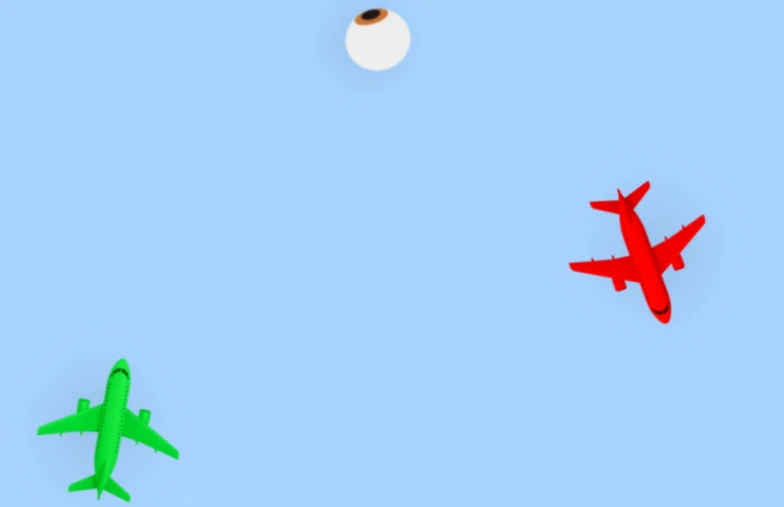
Visual Relationship
In this interactive module, your task is to determine whether one airplane is to the left or right of another, based on the perspective from the cockpit of the aircraft.
Learn more about Visual RelationshipWork on the same cognitive areas ATSA is built to test, including focus, working memory, and decision speed, so you respond quicker, make fewer avoidable errors, and feel prepared instead of guessing.
The Air Traffic Skills Assessment (ATSA) measures how you perform under load: focus, working memory, and sound choices when time is tight. This platform aligns practice with those demands. You train attention, spatial judgment, memory, and decision speed in structured, repeatable sessions. The goal is steadier, more predictable performance, and a clearer view of what to improve before test day.
30 Days Subscription Plan
Receive your access details and credentials immediately via email after receiving your payment.
Log in to your atcpreparation.com account.
Begin your preparation immediately with all 9 training modules available from day one. Start building the skills you need to succeed.
Disclaimer: ATSA Preparation Suite is an independent training tool designed to support candidates preparing for air traffic controller assessments. This product is not affiliated with, endorsed by, or officially connected to the Federal Aviation Administration (FAA) or the Air Traffic Skills Assessment (ATSA) test. ATSA is a trademark/service mark of the Federal Aviation Administration (FAA). All training modules are original and independently developed. The exercises included in this product are designed to strengthen the core ability areas important for air traffic controller screening. While some modules may resemble the style of tasks candidates can encounter during selection, they are not intended to simulate, reproduce, or replicate any official test.
In this interactive module, your task is to determine whether one airplane is to the left or right of another, based on the perspective from the cockpit of the aircraft.
Learn more about Visual Relationship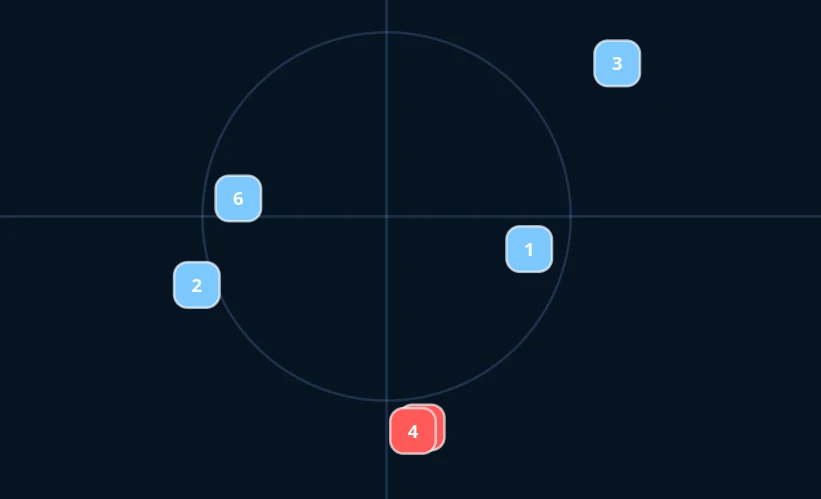
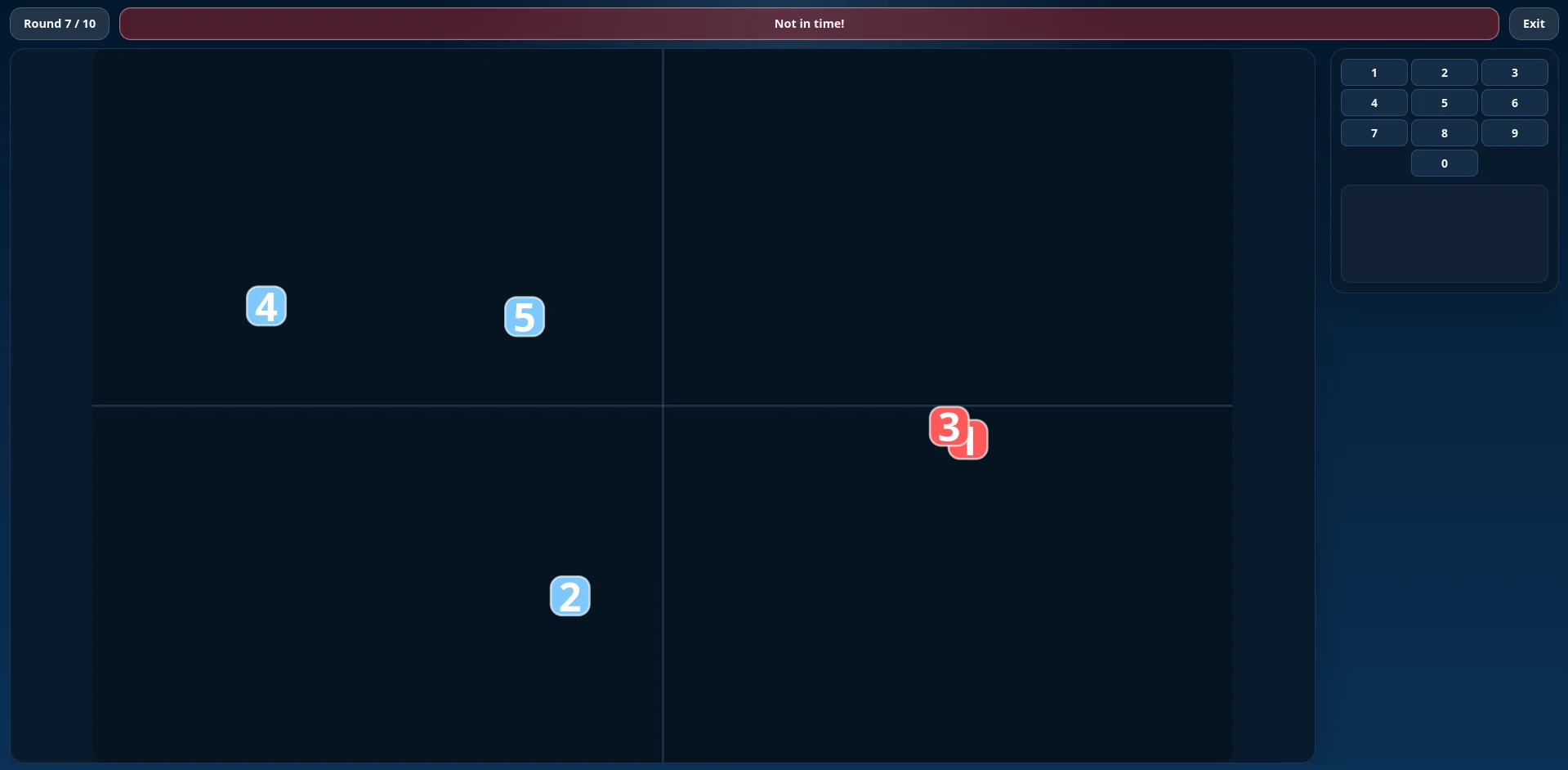
Test your ability to predict and prevent aircraft collisions by identifying which aircraft are on collision courses and removing them before they collide.
Learn more about Prevent Collisions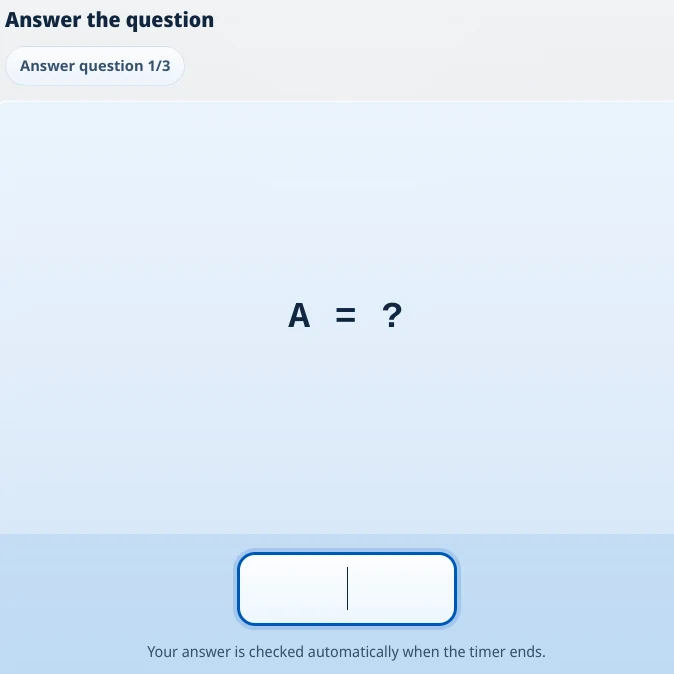
Challenge your working memory and mental calculation skills by memorizing variable values and their relationships, then recalling and computing answers based on what you've learned.
Learn more about Variable Memory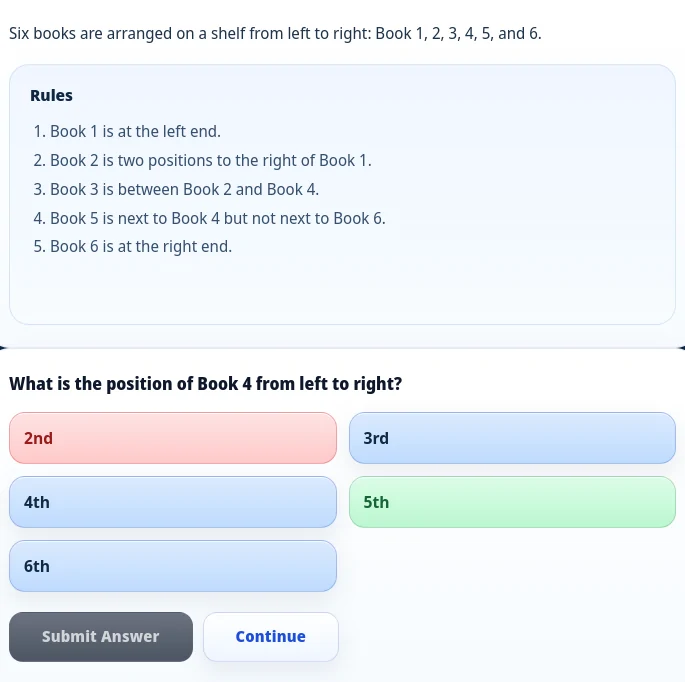
This test assesses your deductive reasoning skills and your ability to quickly understand and extract information from texts.
Learn more about Seating Arrangements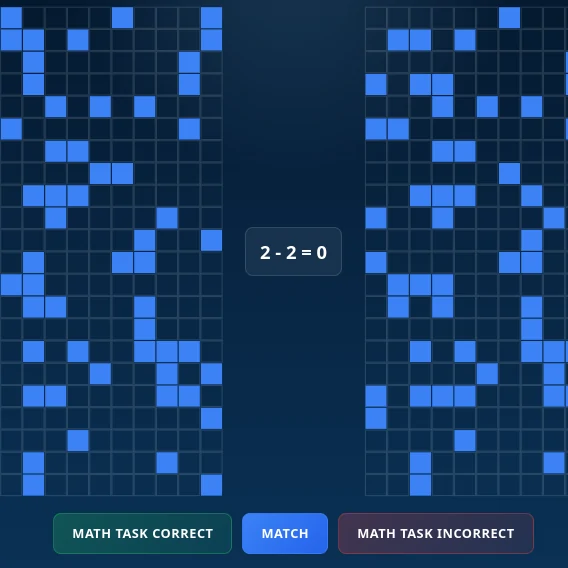
Enhance your multitasking abilities by managing multiple concurrent tasks while maintaining high performance across all areas.
Learn more about Multi Attention
Strengthen your working memory capacity to retain and recall critical information during complex air traffic situations.
Learn more about Memory Competence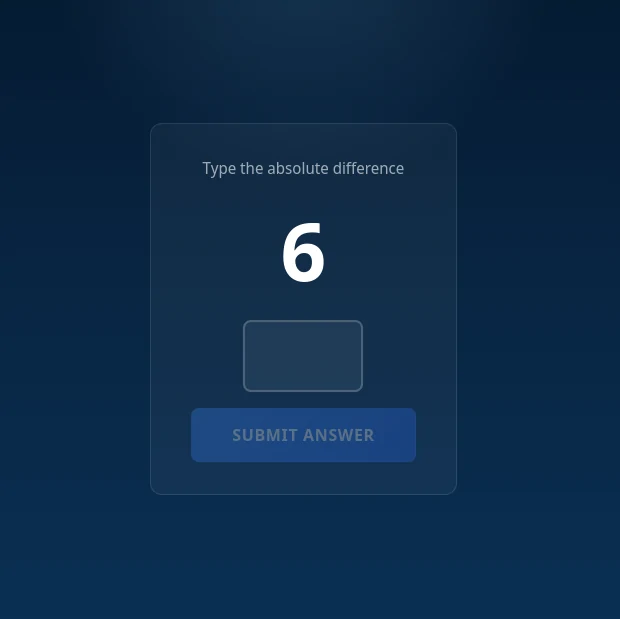
Test your working memory and mental calculation by remembering numbers and calculating their differences.
Learn more about Numbers And Differences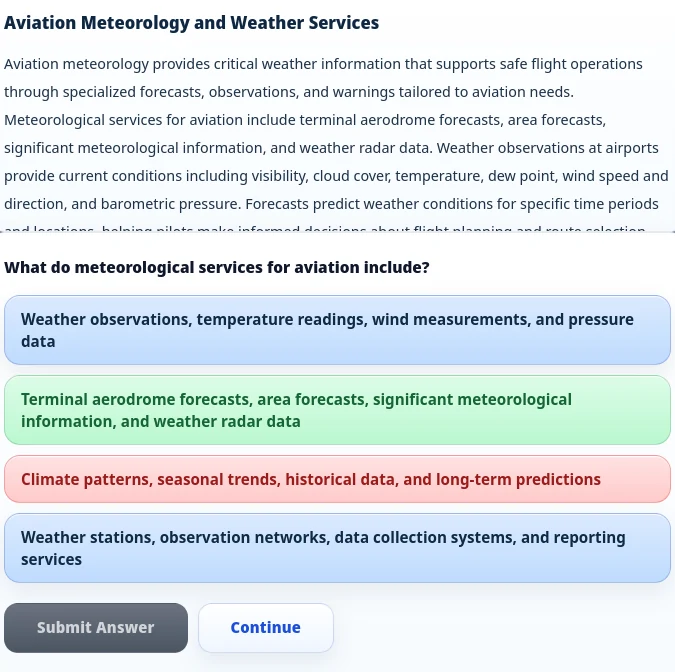
This test assesses your verbal reasoning skills through reading comprehension exercises.
Learn more about Reading Comprehension
Develop your numerical processing and quick decision-making abilities in this fast-paced number selection challenge.
Learn more about Pick The NumberTry free ATSA training with Level 1 practice in your browser, then upgrade to the full preparation suite for every difficulty level and the Training Hub.
ATSA (Air Traffic Skills Assessment) is a computer-based cognitive assessment used by the Federal Aviation Administration (FAA) to evaluate candidates applying for Air Traffic Controller positions in the United States. This psychometric assessment measures essential cognitive abilities including spatial awareness, multitasking capabilities, working memory, logical reasoning, and decision-making under pressure. The ATSA assessment is used in FAA hiring and serves as a major screening step in the air traffic controller recruitment process. It consists of several abstract cognitive task types designed to reflect demands similar to air traffic control work, such as processing information quickly, maintaining attention, and deciding under time pressure. These are not full operational ATC simulations; they are standardized psychometric exercises.
ATSA is widely described as challenging because it tests cognitive abilities under time pressure, in ways that feel related to the mental load of air traffic control. Difficulty varies with your strengths, but many candidates report multitasking and spatial-style tasks as especially taxing. You need to stay accurate while juggling multiple streams of information at once, which usually improves with deliberate practice. Preparation cannot guarantee a given qualification band, but structured practice with timed, computer-based tasks similar to those candidates describe on ATSA often helps with pacing and confidence. Many people plan on the order of several weeks of regular practice rather than a single cram session.
The FAA does not publish official ATSA pass rates or qualification statistics. Unofficial estimates sometimes cited in applicant forums and community discussions have included ranges on the order of 30-40% reaching Qualified or higher, but those figures are anecdotal and should be treated as informal chatter, not facts. Qualification bands (Best Qualified, Well Qualified, Qualified, Not Qualified) are how outcomes are commonly discussed in hiring; higher bands generally improve prospects in reported experience. Many candidates say that weak performance in any major task area made qualification harder for them, but the FAA has not released a public rule that states exactly how each task type is weighted or combined.
Yes. Many candidates use online preparation tools: flexible scheduling, timed computer tasks, progress tracking, and practice from home. Effective preparation usually means repeating skills similar to those candidates report on ATSA (spatial judgment, multitasking, memory, numerical and verbal processing), not expecting a third-party product to copy the official test. Combine practice with reading your vacancy materials and any instructions from the FAA or Pearson VUE. Independent preparation cannot guarantee a result, but systematic practice is widely reported to help with familiarity and stamina. Look for platforms that explain clearly that they are training aids, not the official assessment.
The FAA does not publish a detailed scoring recipe for ATSA, so statements about "failing one module" are largely inference from candidate reports, not a published rule. Based on what applicants commonly describe, overall qualification appears to reflect performance across several task types rather than a single score from one item. Some people believe a very weak area can drag down the overall band even if other parts go well, while others speculate that strong areas might offset weaker ones; without official weighting, neither claim is more than community guesswork. In practice, most preparation advice still recommends training across the major skill areas because you cannot verify from the outside exactly how results are combined. For authoritative rules, rely on your hiring announcement and FAA communications, not forums.
ATSA typically occurs early in the FAA air traffic controller recruitment process, usually after initial application screening and often following or alongside other preliminary assessments. The exact sequence varies, but ATSA generally represents the first major technical competency evaluation in the FAA hiring procedure. After successfully passing initial screening, candidates typically face ATSA as the next crucial step. This represents the technical competency phase of the US ATC selection process, where cognitive abilities are formally assessed before advancing to interviews, medical examinations, security clearances, and academy training.
Public descriptions of ATSA emphasize cognitive skills that also matter in ATC work, such as spatial reasoning, multitasking, working memory, and numerical processing. In broad terms, the style of tasks is often described as measuring:
Candidates often report a total appointment on the order of three to four hours, including breaks, but your invitation and the test center instructions are the only authoritative source for your session. Duration can vary with the exact battery you receive and local procedures. Expect a supervised, computer-based session with short pauses between parts. Being rested matters: fatigue shows up fast on timed cognitive tasks. Follow whatever arrival time, ID rules, and break guidance you are given on the day.
Retake rules, waiting periods, and attempt limits are set by the FAA and can change between hiring cycles; they are not always spelled out in one public document applicants can rely on years later. In community discussions, people sometimes mention long gaps between attempts or a cap on how many times you can test, but you should treat those as rumors until you confirm the current policy in your vacancy materials or official FAA guidance. Assume retake opportunities may be limited and plan on preparing seriously for each attempt. If you are unsure, contact the FAA through the channels given in your hiring communication rather than relying on old forum posts.
In the FAA hiring paths candidates usually describe, ATSA is a major cognitive screening step before later phases such as interviews, medical certification, and security processing. It targets abilities that matter for ATC work: keeping track of complex information, staying accurate under pressure, and deciding quickly. Strong cognitive skills are not the only requirement for the job, but they are part of what the process is built to filter for. In typical flows reported by applicants, not reaching at least a Qualified-style outcome appears to block progress toward academy training, but exact requirements belong to the FAA and your specific announcement, not to third-party summaries. Always verify your own next steps with official sources.
The FAA does not publish a full technical manual for ATSA scoring. Public-facing information is usually limited to qualification bands (for example Best Qualified, Well Qualified, Qualified, Not Qualified) and general descriptions in hiring materials. Based on how similar assessments work, your result likely reflects accuracy and speed across several task types and is compared to norms, but the precise weighting of each section is not something candidates can verify from the outside. Treat any claim that "each module is scored independently" or that a specific formula is known as informed guesswork unless the FAA has stated it in writing for your cycle. Your band affects how you are ranked relative to other applicants in reported hiring practice; check your vacancy for what each band means for that announcement.
Qualification bands are how ATSA outcomes are usually described in FAA hiring. In general terms reported by candidates, Best Qualified (BQ) suggests a stronger relative standing for moving forward, Well Qualified (WQ) still competitive though sometimes behind BQ in queue, Qualified (Q) may advance depending on hiring volume and competition, and Not Qualified (NQ) is typically described as not continuing in that pipeline under usual rules. Exact definitions and whether a given band is enough for a specific vacancy can change; read your own job announcement and FAA updates rather than assuming historical forum advice still applies. Higher bands are widely reported to improve chances of academy selection when slots are competitive.
What comes next depends on the hiring announcement and FAA practice at the time. People who clear ATSA with a competitive qualification band often describe later steps such as interviews, medical certification, security and background work, and eventually an academy offer, but the order and requirements are not fixed forever in one public checklist. Higher bands are widely reported to help with ordering in the pool when classes are tight. Timelines from ATSA to an academy seat can stretch many months. Treat any generic timeline as anecdotal and read the communications you actually receive from the FAA or your hiring point of contact.
Effective preparation usually combines understanding what the hiring process asks of you, then repeating timed cognitive tasks similar to those candidates report on ATSA. Read official instructions for your cycle first. Build a steady schedule (many people use several weeks of near-daily sessions rather than one long cram). Spend extra time on weaknesses, but do not abandon areas where you are already shaky. Independent practice products can target spatial judgment, multitasking, memory, and number skills; they are training aids, not copies of the live test. Mix single-skill drills with longer sessions so stamina and focus improve. Sleep and rest before test day matter as much as any app. Track what actually goes wrong (speed, misreads, panic) so practice fixes something specific.
There is no FAA-approved calendar. Many candidates plan roughly four to eight weeks of regular practice, but your baseline and stress level matter more than an average. Some people need less if they already score well on similar tasks; others need longer to build comfort under the clock. Prefer shorter, consistent sessions over rare marathon days. Use practice scores only as a rough gauge, since third-party tools are not calibrated to official ATSA scoring. When you can complete varied timed tasks without falling apart and you know your recurring mistakes, you are in a better position than if you had simply memorized one drill. Adjust the timeline to your own data, not to a forum headline.
While ATSA is standardized by the FAA and used for air traffic controller selection, the specific modules and requirements may vary slightly depending on the position type (Tower, Terminal, or En Route). The core competencies tested remain consistent, but it's advisable to check with the FAA for any position-specific requirements.
Add personality preparation alongside the cognitive modules to cover every part of the ATSA assessment.