
Day in the Life as an Air Traffic Controller
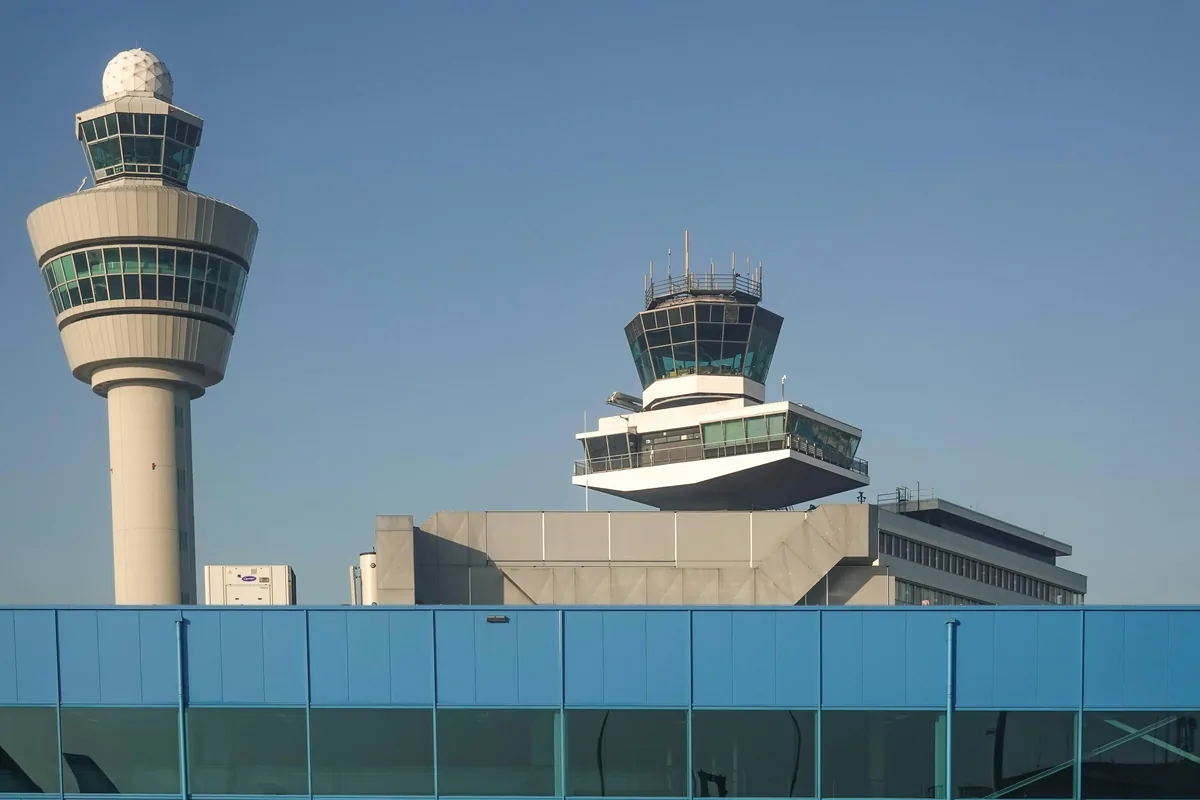
When people ask air traffic controllers what they do for a living, the reactions are usually one of two things. Either they're fascinated and want to know everything, or they look at controllers like they're some kind of superhero who never makes mistakes. The truth is somewhere in between. Being an air traffic controller is demanding, sometimes stressful, but also incredibly rewarding. Here's what a typical day actually looks like.
The Morning Routine
The morning routine of an air traffic controller starts early. Really early. The alarm goes off at 4:30 AM. That's not a typo. 4:30. Most controllers work rotating shifts, and those on the early morning slot know this drill well. The thing about ATC is that the sky never sleeps, so neither do controllers. Coffee becomes more than a beverage. It becomes essential.
By 5:45, controllers are at the facility, going through security and heading up to the operations floor. Before touching a radio, there's a mandatory briefing. They review weather conditions, NOTAMs (Notices to Airmen), any runway closures, and what traffic they're expecting. It's not glamorous, but missing something here could mean trouble later.
The briefing room is always a mix of energy levels. Some controllers are on their third cup of coffee, others are still waking up. But once they step onto the floor, everyone's game face is on. There's no room for half-awake when you're responsible for hundreds of lives.
Taking the Position
When a controller sits down at their sector, the first thing they do is scan their scope. They're looking at aircraft positions, their altitudes, speeds, and where they're heading. It's like a three-dimensional chess game, except the pieces are moving at 500 miles per hour and you can't pause to think.
The radio chatter starts immediately. "Approach, this is Delta 234, with you at flight level 250." The controller acknowledges, checks their traffic, and starts building a mental picture of what's happening in their airspace. Within minutes, they might have a dozen aircraft to manage, each with different destinations, speeds, and altitudes.
What most people don't realize is that controllers aren't just talking to pilots. They're constantly coordinating with adjacent sectors, ground control, tower controllers, and sometimes even military operations. It's a team effort, and communication is everything.
Operations
Air traffic never stops, and neither do we
Hours Per Position
Maximum time before mandatory break
Aircraft Per Hour
During peak traffic periods
The Rush Hour
Around 7:30 AM, things start getting busy. That's when the morning rush begins. Business travelers, cargo flights, regional airlines all converging at once. This is when the real work begins. A controller's voice stays calm on the radio, but inside, they're processing information at what feels like light speed.
"United 456, turn right heading 090, descend and maintain flight level 180." The controller is already thinking three steps ahead. Where will this aircraft be in five minutes? What other traffic will be nearby? Do they need to adjust anyone else's route?
The thing about busy periods is that they're actually kind of exhilarating. When everything clicks and traffic is managed smoothly, there's a real sense of satisfaction. But controllers can't get complacent. One moment of distraction, one missed call, and things can escalate quickly.
When Things Go Wrong
Not every day is smooth sailing. Weather can roll in unexpectedly, aircraft can have mechanical issues, or a pilot might misunderstand an instruction. This is when training really pays off.
One afternoon, a sudden thunderstorm developed right over the airport. Within minutes, controllers went from clear skies to severe weather warnings. They had to reroute multiple aircraft, coordinate with other sectors, and keep everyone safe while planes were trying to land and take off.
In those moments, there's no time to panic. Controllers fall back on procedures, communicate clearly, and trust their training. The adrenaline is real, but so is the focus. Afterward, when everything is resolved, that's when the relief hits. And that's also when controllers realize why they do this job.
The Breaks
Every 2-3 hours, controllers are required to take a break. It's not optional. It's a safety requirement. Mental fatigue is a real thing, and controllers can't afford to be anything less than sharp. During busy periods, these breaks feel too short. During slow periods, they can feel too long.
The break room is where controllers decompress. Some are quiet, processing what just happened. Others are chatting, sharing stories, or just trying to reset. They all understand the pressure, so there's a real sense of camaraderie.
Controllers usually grab something to eat, check their phones (they can't have them on the floor), and try to clear their heads. Some controllers do quick exercises, others just sit and breathe. Whatever works to reset before the next position.
The Afternoon Shift
After lunch, controllers are back on a different sector. This time it might be ground control, working with aircraft taxiing on the airport surface. It's a different kind of challenge. Less about speed and altitude, more about spatial awareness and preventing runway incursions.
"American 789, taxi via Alpha, Bravo, hold short of runway 27 right." Controllers are watching the aircraft on the ground, coordinating with tower for takeoff clearances, and making sure everything flows smoothly. It's like directing traffic, except the vehicles are 200-ton aircraft worth millions of dollars.
The afternoon can be unpredictable. Sometimes it's steady and manageable. Other times, controllers get a string of delays, weather issues, or equipment problems that make everything more complicated. Flexibility is key.
Different Types of Facilities
Not all air traffic controllers work in the same type of facility. There are towers, which handle aircraft on the ground and in the immediate airport area. There are approach control facilities, which manage aircraft coming in and going out within about 30-40 miles of the airport. And there are en route centers, which handle aircraft at higher altitudes traveling between airports.
Each type has its own challenges. Tower controllers work with what they can see out the window, plus radar. Approach controllers manage the busy transition between en route and airport. En route controllers handle aircraft at cruising altitude, often managing traffic across hundreds of miles. The skills are similar, but the focus is different.
Some controllers work at smaller airports where they might handle multiple roles. Others work at major hubs where the traffic volume is constant and intense. The facility type often determines the pace and style of work, but the core responsibility remains the same: keep everyone safe.
The Technology Behind the Scenes
The radar screens controllers use are sophisticated, but they're not magic. They show aircraft positions, altitudes, speeds, and identification codes. Controllers learn to read these displays quickly, building a three-dimensional picture in their minds of what's happening in their airspace.
Modern systems have conflict alert features that warn controllers about potential problems. But these are tools, not replacements for judgment. Controllers still need to anticipate, plan ahead, and make decisions. The technology helps, but it doesn't think for you.
There's also backup systems, redundant equipment, and constant monitoring. If something fails, there's always a backup. Safety systems are layered, so one failure doesn't mean disaster. Controllers train on these systems regularly, so when something goes wrong, they know exactly what to do.
Night Shifts and the Graveyard
Night shifts are a different world. The traffic volume drops significantly, but the stakes don't. There are fewer aircraft, but there's also less margin for error. Fatigue becomes a real factor, and controllers have to work harder to stay sharp.
The atmosphere changes too. The facility is quieter, more subdued. Controllers might handle cargo flights, red-eye passenger flights, or medical emergencies. The pace is slower, but the responsibility is just as real. A mistake at 3 AM is just as serious as a mistake at 3 PM.
Some controllers prefer night shifts. They like the slower pace, the different rhythm. Others find them harder, struggling with the body's natural sleep cycle. Most facilities rotate shifts, so everyone gets their share of early mornings, afternoons, and nights.
What People Don't See
What people see in movies is usually the dramatic moments. The emergency landings, the near misses, the high-stakes decisions. And those do happen. But most of the job is actually routine. It's maintaining separation, coordinating handoffs, and keeping traffic flowing smoothly.
What people also don't see is the constant training. Controllers are always learning, always refreshing procedures, always preparing for scenarios they hope never happen. There are recurrent training sessions, simulations, and evaluations. The learning never stops.
There's also the paperwork. After incidents, near misses, or even just unusual situations, there are reports to file. It's not the exciting part, but it's important for safety and continuous improvement.
Working with Different Aircraft
Controllers work with everything from small private planes to massive commercial jets to military aircraft. Each type has different characteristics. A small Cessna flies slower and needs more time. A commercial jet moves fast and needs precise spacing. Military aircraft might have different procedures or priorities.
Controllers learn to recognize aircraft types, understand their capabilities, and adjust their instructions accordingly. A 747 needs more space than a regional jet. A helicopter has different needs than a fixed-wing aircraft. It's all part of building that mental picture of what's happening in the airspace.
Sometimes controllers work with aircraft in distress, medical emergencies, or unusual situations. These require quick thinking and clear communication. The procedures are there, but every situation is slightly different. Experience helps, but so does staying calm and following the training.
Team Dynamics and Camaraderie
Air traffic control is a team sport. Controllers work closely with each other, coordinating handoffs, sharing information, and supporting one another. When one controller is busy, others step in. When someone needs help, the team provides it.
There's a real sense of camaraderie in most facilities. Controllers understand the pressure, the responsibility, the challenges. They've all been through the same training, faced the same tests, dealt with the same situations. That shared experience creates strong bonds.
But it's also professional. When things get busy, communication is direct and efficient. There's no time for small talk when aircraft are converging. Controllers learn to communicate clearly, listen carefully, and trust their colleagues. That trust is essential.
The Shift End
When a shift ends, controllers do a proper handoff to the next controller. They brief them on current traffic, any ongoing situations, weather conditions, and anything else they need to know. It's a critical moment. You can't just walk away. The next person needs to be fully informed.
After that, the shift is done. The drive home is usually quiet. Controllers are processing the day, thinking about what went well, what could have been better. Some days they're energized. Other days they're exhausted. But they're always aware of the responsibility they carry.
When controllers get home, they try to leave work at work. It's not always easy, especially after a challenging day, but it's necessary. That separation is needed to maintain mental health in this job.
The Reality Check
So, is it like the movies? Not really. There aren't dramatic music swells or slow-motion moments. But there is real pressure, real responsibility, and real consequences if things go wrong. The difference is that controllers are trained to handle it, and there are procedures and systems designed to prevent problems before they start.
Is it stressful? Yes, sometimes. But it's also incredibly rewarding. There's something satisfying about managing complex situations, about being part of a system that keeps millions of people safe every day. When controllers see an aircraft land safely after they've guided it through busy airspace, that's a real accomplishment.
Would controllers recommend it? That depends. It's not for everyone. You need to be able to handle pressure, make quick decisions, communicate clearly, and stay focused for hours at a time. You need to be okay with shift work, mandatory breaks, and constant training. But if that sounds like you, it can be an amazing career.
Career Progression and Advancement
Starting as a controller means learning one position, then another, then another. Each facility has multiple sectors, and controllers learn them all. As they gain experience, they might become supervisors, trainers, or move to busier facilities.
Some controllers stay at one facility their entire career. They know the airspace, the procedures, the patterns. Others move around, seeking new challenges or better opportunities. There's no single path, and what works for one person might not work for another.
Advancement often means more responsibility, not necessarily more money. Senior controllers might mentor new ones, handle complex situations, or take on administrative roles. The job evolves, but the core remains the same: keep aircraft separated and safe.
Work-Life Balance Challenges
Shift work affects everything. Controllers work weekends, holidays, nights, early mornings. Family events get missed. Social schedules get complicated. It's not a 9-to-5 job, and that takes adjustment.
Some controllers love the flexibility. They might work four days on, three days off. Others find the irregular schedule difficult. It affects sleep patterns, social life, and family time. It's something to consider seriously before entering the profession.
But there are benefits too. Controllers often have good job security, solid benefits, and the satisfaction of doing important work. The schedule might be challenging, but many find ways to make it work. It's about priorities and planning.
For Those Considering the Career
If you're thinking about becoming an air traffic controller, know that the selection process is tough for a reason. This job requires specific skills and attributes. The training is intense, and not everyone makes it through. But if you do, you're joining a profession that's challenging, respected, and essential.
The best advice? Prepare thoroughly for the selection tests. They're designed to identify people who can handle this kind of work. Practice the skills they assess: multi-tasking, spatial awareness, decision-making under pressure. The better prepared you are, the better your chances.
And if you do make it through training and get certified? Welcome to the club. It's a demanding job, but it's also one where you'll constantly be learning, growing, and making a real difference. Just remember to invest in good coffee and comfortable shoes. You'll need both.
Related Blog Posts

NATS Test Explained: The Complete Guide (2026)
What NATS is, and the NATS test explained: four selection stages, from eleven online ability tests with Aon to the practical exercise in Whiteley.
Read More
Refreshing the ATC Preparation Logo
The ATC Preparation logo has been refreshed: the same control tower, with more modern colours, a cleaner finish, and a mark that is easier to use in marketing.
Read More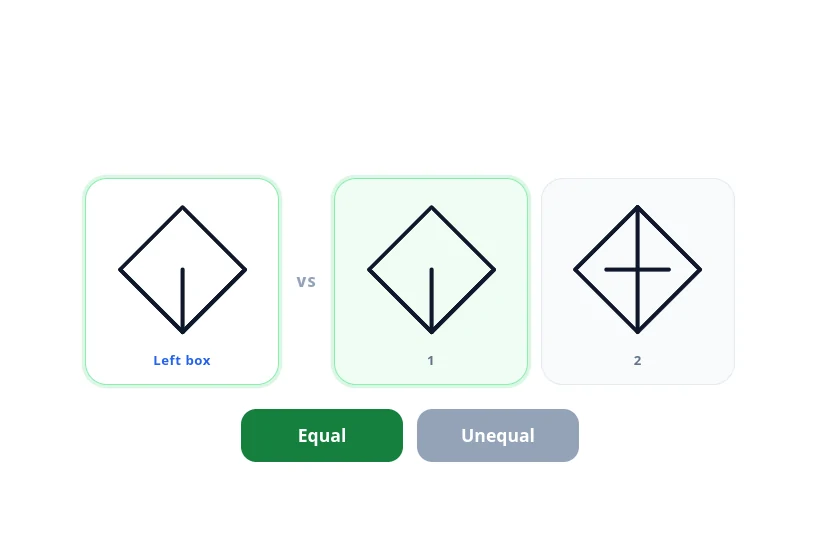
New FEAST Module: Scan And Compare Figures Is Now Available
Scan And Compare Figures is now in the FEAST Preparation Suite. Compare the left figure with the figures on the right and choose Equal or Unequal.
Read More