
FAA ATSA Test Guide (2026): Format, Scoring, Hiring Process & Preparation Tips

Train with Preparation Software for ATSA
Train spatial judgment, memory, multitasking, and reading skills in the ATSA Preparation Suite with all difficulty levels, TEST mode, statistics, and candidate comparison.
The FAA ATSA (Air Traffic Skills Assessment) is the required aptitude test for U.S. air traffic controller applicants. This 2026 guide explains the FAA ATSA test format, scoring bands, hiring process, eligibility requirements, and how to prepare effectively.
Where Do FAA Controllers Work? The National Picture
The FAA runs one of the largest air traffic control systems in the world. Controllers work at en route centers, terminal radar approach controls (TRACONs), and towers across the continental U.S., Alaska, Hawaii, and territories. The map below shows the United States-the primary region where ATSA is used for hiring.
What Is the ATSA?
The ATSA (Air Traffic Skills Assessment) is an entry-level employment aptitude test used by the FAA to decide whether candidates have the skills and attributes needed to become an ATCS (Air Traffic Control Specialist). It has been part of the hiring process since 2016 and is administered on computer at designated test centers. The test does not cover aviation knowledge; instead it focuses on decision-making, spatial awareness, multitasking, working memory, reading comprehension, and logical reasoning-the kinds of abilities that matter every day in the ATC environment.
Your results are used to rank you against other applicants. In many recent hiring announcements, candidates must achieve the "Best Qualified" band to advance-always refer to the specific vacancy announcement for current requirements. FAA ATC hiring is highly competitive: each public announcement receives thousands of applications, and only a fraction of candidates progress to academy training. Strong ATSA performance can improve your chances of receiving a tentative offer and moving on to medical evaluation, security clearance, and training at the FAA Academy in Oklahoma City. Whether you apply through the general public (off-the-street) announcement or as a CTI graduate, the ATSA is a critical screening stage in the FAA's multi-step hiring process for Air Traffic Control Specialists.
What the ATSA Measures
The ATSA is made up of multiple subtests. The exact list and order can vary by hiring announcement, but the test generally covers the following types of tasks:
- Number differences – Comparing numbers and spotting differences quickly and accurately.
- Memory (variables) – Holding variable values and relationships in mind and using them to answer questions.
- Spatial and visual relationships – Understanding where objects or aircraft are relative to each other, often from a given perspective.
- Collision simulation – Identifying potential conflicts and making decisions to avoid them under time pressure.
- Reading comprehension – Reading passages and answering questions about them quickly.
- Logical reasoning – Drawing conclusions from given information and following rules.
- Personality / biographical (PBQ) – Questions about how you prefer to work and behave; there are no "right" answers-consistency and honesty matter.
Total testing time is typically around three hours, including instructions and practice items. You usually have the option to take short breaks (for example, several five-minute breaks or one longer break). Check your test invitation for the exact schedule and rules.
Practice the Skills That Show Up on the ATSA
Practicing similar tasks can help you get used to the pace and format. Our preparation software includes modules that align with the kinds of skills the ATSA assesses.
How You Get to Take the ATSA
You cannot sign up for the ATSA on your own. You must first apply for an Air Traffic Control Specialist (Trainee) position on USAJobs. If the FAA finds you qualified based on your application, you will be invited to take the ATSA. The test is administered by Pearson VUE at Pearson professional test centers. A testing fee may apply; the amount and payment details will be provided in your official test invitation. Plan to schedule and show up for your appointment at the assigned test center.
You must meet the eligibility requirements in the job announcement. For example, you generally must be a U.S. citizen and, for applicants without prior ATC experience, you must be age 30 or younger (you cannot have reached age 31 as of the vacancy closing date). There are limited exceptions; the specific announcement on USAJobs has the official rules.
How Test Day Usually Works
Before each section you will get instructions and often a few practice items. Use them to understand what you need to do and how the interface works. The test is timed and computer-based. Allow enough time for travel, check-in, and any paperwork at the test center. Cognitive performance is highly sensitive to fatigue and blood sugar variability-prioritize sleep and stable nutrition before test day. Bring the identification and any other documents specified in your invitation.
Does Preparation Help?
The ATSA is designed to measure abilities that matter on the job, but that does not mean you cannot prepare. Knowing what to expect reduces stress and reduces uncertainty about the format. Practicing similar tasks helps you become familiar with the test structure and builds comfort under time pressure. Candidates who prepare in advance often report feeling significantly more confident with the pace and multitasking structure of the ATSA. The more comfortable you are with the types of questions and the pace of the test, the better you can show your true abilities.
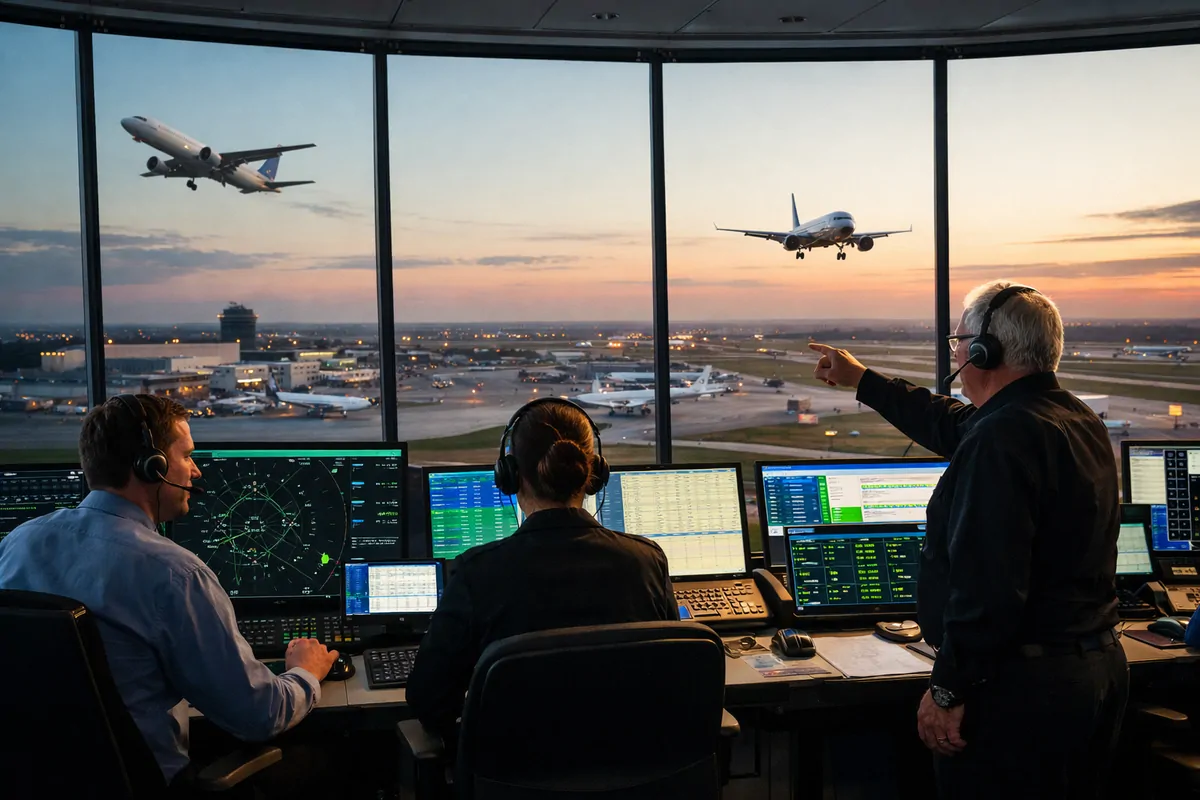
Quick Tips for Test Day
Small choices on test day can help you perform at your best. Keep the following in mind:
- Rest and nutrition: Cognitive performance is highly sensitive to fatigue and blood sugar. Prioritize sleep and stable nutrition; avoid heavy or sugary foods that can cause energy crashes.
- Arrive prepared: Get to the test center early and bring the ID and any other documents listed in your invitation. Late arrival can cost you your appointment.
- Use instructions and practice: Read every instruction and complete every practice item. They are there so you understand the task before the scored section begins.
- Balance your attention: In multitasking or collision-style sections, spread your effort across all tasks. Fixating on one part can hurt your overall score.
- Personality section: On the PBQ, answer honestly and consistently. There are no "right" answers; the goal is to reflect how you actually think and work.
After You Take the ATSA
Your ATSA results are used to place you in a performance band (such as "Best Qualified"). In many recent announcements, candidates must achieve the "Best Qualified" band to advance-always refer to the specific vacancy for current requirements. If you meet the required band and all other criteria, you may receive a tentative offer and then go through the next stages of the hiring process. Check the specific hiring announcement and any emails from the FAA for timelines and next steps.
In many recent announcements, ATSA results have remained valid for up to three years. Confirm current score validity in each vacancy posting; if applicable, you may be able to reuse your scores for a later announcement instead of retaking the test.
What Happens After You Pass the ATSA?
The steps that follow a strong ATSA result vary by announcement. In general, the process may include: a Tentative Offer Letter (TOL); a Clearance Instruction Letter (CIL) with next steps; FAA Class II ATC medical certification; MMPI-2 psychological evaluation; a security background investigation; and, if successful, training at the FAA Academy in Oklahoma City. Timelines vary, but the hiring process can take many months from application to academy class date. Official FAA jobs and FAA ATC hiring pages provide authoritative information on current requirements and process.
If You Don't Pass the First Time
Not reaching the required performance band does not mean you cannot become a controller. The hiring process is competitive, and many people improve on a second try. Retake and reapplication rules depend on the announcement; often you can take the ATSA again after a waiting period when a new vacancy opens. Use that time to work on the areas that were hardest-practice tools that mirror the test's task types can help-and reapply when you are eligible.
Frequently Asked Questions
What score do I need to pass the ATSA?
The FAA uses performance bands rather than a single pass/fail score. In many recent hiring announcements, candidates must achieve the "Best Qualified" band to advance. Always refer to the specific vacancy announcement for current requirements.
How long is the ATSA?
The test typically takes around two hours and 45 minutes to three hours of active testing, plus instructions and practice items. You usually have the option to take breaks (for example, up to 30 minutes total). Plan for a half-day commitment including travel and check-in. The exact timing will be in your test invitation.
Is the ATSA hard?
The ATSA is designed to be challenging and to assess abilities under time pressure. Familiarity with the format and task types can reduce uncertainty and help you perform to your potential.
How competitive is FAA ATC hiring?
FAA ATC hiring is highly competitive. Each public announcement receives thousands of applications, and only a fraction of candidates progress to academy training. Achieving the "Best Qualified" band and meeting all other eligibility requirements improves your chances.
Where do I take it?
The ATSA is administered by Pearson VUE at Pearson professional test centers. When you are invited, you schedule your appointment at a center near you. The test is proctored in person, not at home.
Can I retake the ATSA or reuse my score?
Retake rules depend on the announcement. In many recent announcements, ATSA results have remained valid for up to three years-confirm current score validity in each vacancy posting. If valid, you may be able to reuse your existing results for a later announcement.
How long does ATSA hiring take?
Timelines vary. The hiring process can take many months from application through tentative offer, medical and security steps, to an academy class date. Check the announcement and FAA communications for current expectations.
Do I need aviation experience?
No. The test measures cognitive and behavioral traits (e.g., multitasking, memory, reasoning, personality), not aviation knowledge. It is designed to assess your potential to succeed in training and on the job.
What about accommodations?
The FAA and Pearson VUE can provide reasonable accommodations for candidates with disabilities. Contact the FAA or the test administrator as soon as you receive your invitation so that arrangements can be made in time.
What is "Best Qualified"?
The FAA uses performance bands to rank ATSA results. In many recent announcements, "Best Qualified" is the band required to advance. The vacancy announcement will state which band(s) are accepted. Always confirm current requirements in the specific job posting.
Closing Thoughts
The ATSA is a critical screening stage in the FAA's multi-step hiring process for Air Traffic Control Specialists. With preparation, situational awareness, and calm execution under time pressure, you can approach the ATSA with confidence.
Related Blog Posts

NATS Test Explained: The Complete Guide (2026)
What NATS is, and the NATS test explained: four selection stages, from eleven online ability tests with Aon to the practical exercise in Whiteley.
Read More
Refreshing the ATC Preparation Logo
The ATC Preparation logo has been refreshed: the same control tower, with more modern colours, a cleaner finish, and a mark that is easier to use in marketing.
Read More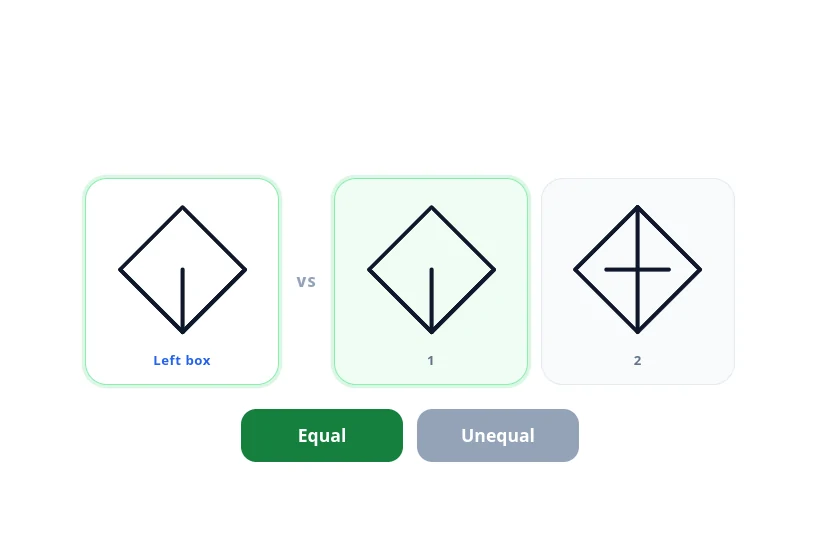
New FEAST Module: Scan And Compare Figures Is Now Available
Scan And Compare Figures is now in the FEAST Preparation Suite. Compare the left figure with the figures on the right and choose Equal or Unequal.
Read More