Generation easyJet Pilot Assessment: ADAPT Test, Group Exercise and Interview

Practise for the ADAPT test
Work on timed coordination, spatial, numerical and multitasking exercises before stage two. The ADAPT preparation tasks are original practice, not CAE's or easyJet's assessment.
Generation easyJet is the Multi-Crew Pilot Licence (MPL) programme that CAE runs for easyJet. Cadets who finish it join the airline as Airbus A320 co-pilots. Before any of that, they pass a joint CAE and easyJet selection in three stages, and the second stage is the ADAPT pilot aptitude test.
This guide follows CAE's Generation easyJet programme page and easyJet's own Become a Pilot page, both checked on 19 November 2026. Neither page gave an application deadline when checked. Entry rules and prices can change between intakes, so read both pages again before you apply.
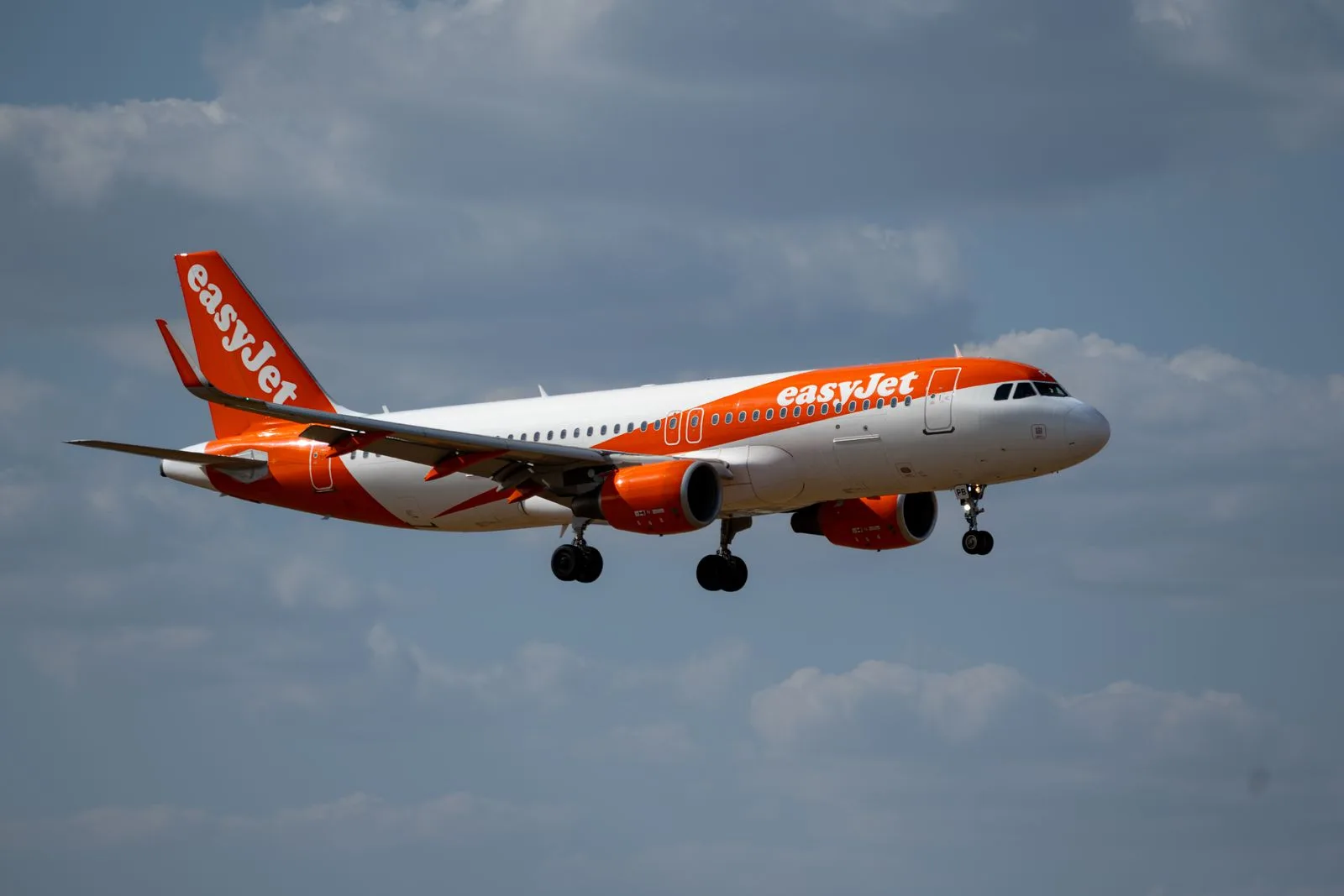
Photo: Michael Bevan / Pexels. An easyJet Airbus A320 approaching to land in England.
Who can apply to Generation easyJet
CAE lists the eligibility rules. You must be 18 or older by the course start date, and easyJet adds that there is no upper age limit. You need the unrestricted right to live and work in the UK, the EEA, the EU or Switzerland, and easyJet also asks that you can travel across its network without restriction.
- School certificates in Maths, English and a science, plus two other subjects. easyJet's page phrases this as GCSE grades 4 to 9 (A to C).
- Fluent spoken and written English. easyJet names ICAO Level 4, and CAE says some nationalities may have to provide an official English language certificate.
- A height of at least 157 cm (5 ft 2 in), with a maximum set by the Airbus flight deck.
- The ability to obtain a Class 1 medical. You do not need it to apply, but you must hold one to start training.
- No previous ATPL, MPL or CPL training, including ATPL ground school exams, and no more than 200 flying hours. Private pilot training is allowed, and no flying experience is required.
Stage 1: the online application
CAE's assessment team reviews each application against those entry requirements. Applicants who meet them are invited to the aptitude test. CAE says it emails every applicant after each stage with the result and, for successful candidates, the arrangements for the next step.
Stage 2: the ADAPT test
The ADAPT stage takes place either online or at a CAE location in Europe. CAE describes it as computer-based testing that covers:
- pilot aptitude, including hand-eye coordination, motor skills and spatial awareness
- academic, mathematical and technical capacity
- a multiple-choice test of technical reasoning
- a dynamic multi-task test
CAE does not publish the individual subtests or a pass mark on the programme page. Our guide to the ADAPT pilot test explains what the battery measures in general. Treat it as background, because the exact mix an assessment day uses is set by CAE.
Stage 3: group exercises and interview
The last stage, according to CAE, consists of team group exercises and a personal interview. easyJet's careers page describes the same step as a virtual non-technical assessment: a presentation, a group exercise and then a one-to-one interview.
CAE names the pilot competencies it wants candidates to have developed: leadership, teamwork, decision making, situation awareness, time management and safety culture. It also expects applicants to know the airline, and lists easyJet's ethos, values, bases, fleet, timeliness record, financial performance and management structure as subjects to research. easyJet suggests talking about team activities, work or volunteering, and why you want to fly for easyJet in particular.
Results, re-assessment and cost
The assessment is free. If you pass all three stages, CAE offers you a cadet place and your results stay valid for one year. A place cannot be deferred: CAE says successful cadets must start training in the same year as the offer.
The re-assessment rule is strict. If you fail any stage, CAE allows one re-assessment after a six-month cooldown. Separately, you may attend a maximum of two easyJet interviews in total, whichever training provider you apply through. An interview taken through another easyJet training route counts toward the same limit.
What the training costs and involves
CAE lists the MPL cadet programme at €115,000 and says the figure is reviewed periodically. The price covers ground, simulator and flight training, the EASA or UK CAA theory exams, upset prevention and recovery training, a uniform, VAT, and re-sits and remedial training under what CAE calls its First Officer Quality Insurance. It does not cover the Class 1 medical, loss-of-medical insurance, an iPad, or accommodation, ground transport and meals during CAE training.
The course starts with about 950 hours of ATPL theory across 14 subjects, which CAE delivers in Brussels, Madrid or London Gatwick. Four flying phases follow, from single-engine piston flying to A320 simulator work in Milan or London Gatwick, ending with the MPL and the A320 type rating. Base and line training then take place with easyJet.
How to prepare for the assessment
CAE recommends revising high school mathematics and physics if you have been out of formal education for a few years. It also points CAE candidates to free preparation resources from Symbiotics. For stage two, timed practice on coordination, spatial and multitasking tasks helps you get used to the pace, without promising any score on the real test. For stage three, prepare examples of teamwork and decisions you have actually made, and know the airline well enough to answer why easyJet.
Official sources and related guides
For other airline cadet selections, see our guides to the British Airways Speedbird Pilot Academy assessment and the Ryanair pilot aptitude test.
Both pages checked on 19 November 2026.
Full preparation access
One subscription covers every pilot assessment we prepare for.
3-month subscription
€24.99 / 3 months
- Continuous updates
- Instant access after receiving payment
- Train from any device with a browser
- Compare your results with other candidates
Related Blog Posts

FAA Academy Basics for ATC Course: What New Controllers Study and Must Pass
Most new FAA air traffic control trainees start with Basics for ATC, a 19-day course at the FAA Academy in Oklahoma City. This guide covers what the course teaches, the 70 percent exam trainees must pass, and who may choose to skip it.
ELPAC Test for Air Traffic Controllers: Format, Scoring and ICAO Levels
ELPAC is EUROCONTROL's English language proficiency test for air traffic controllers and pilots. This guide explains the listening and speaking papers, how the ICAO level is decided, and how long an EASA language endorsement stays valid.
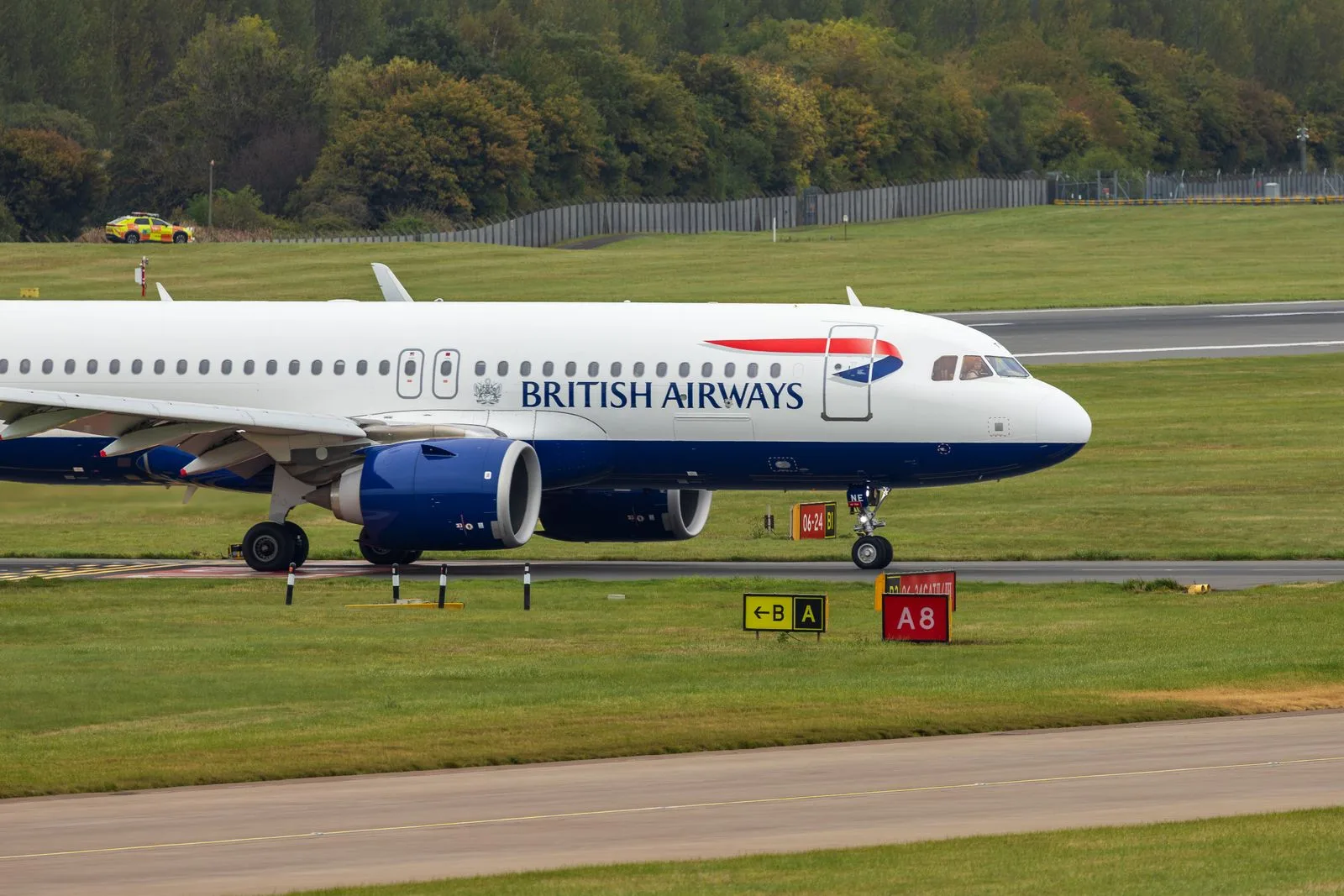
British Airways Speedbird Pilot Academy Assessment: Online Tests and Selection Stages
The British Airways Speedbird Pilot Academy selects cadets in three stages, starting with online tests and a verbal speaking activity. This guide covers each stage, the 2026 eligibility rules and how to prepare.