
Data Flood On FAA Telecom Network Led To Nationwide Ground Stop, FAA Says

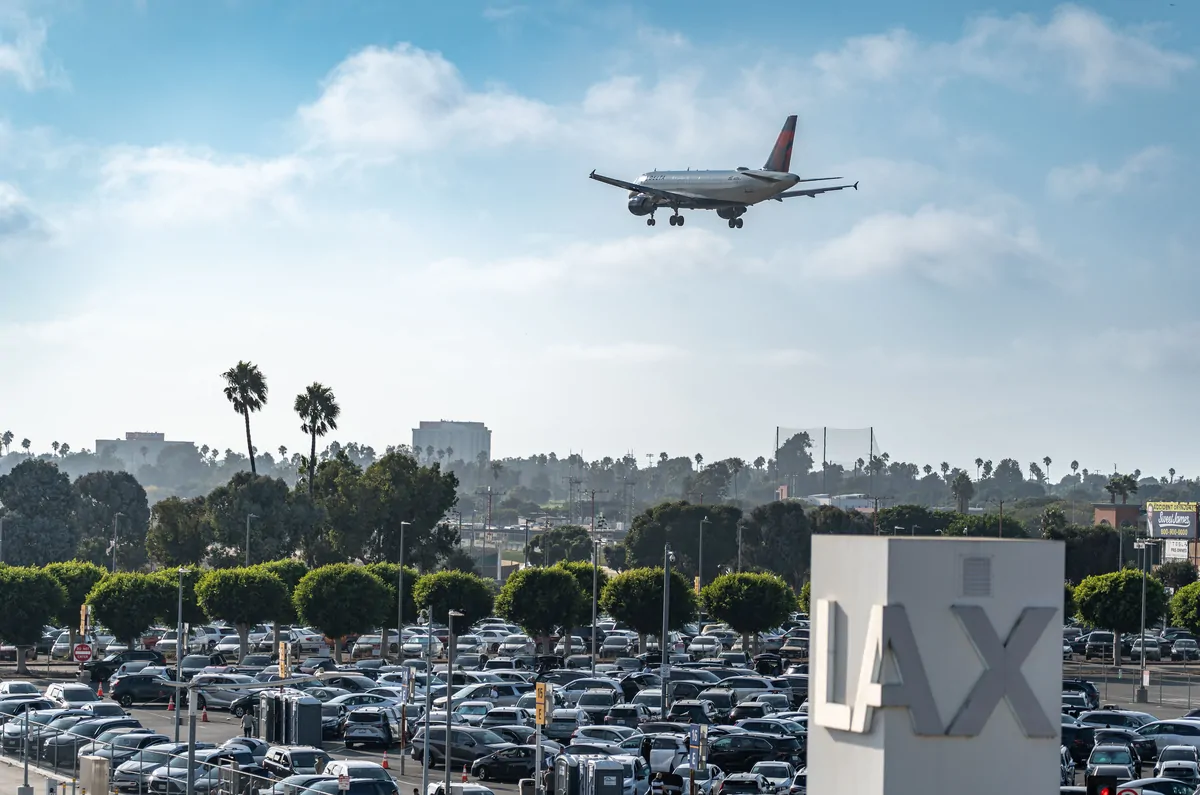
A flood of data on the FAA's telecommunications network forced a nationwide ground stop in the United States on 13 November. The FAA has named two suspect sites, and the Transportation Department is now asking Congress for $50.1 billion.
The Federal Aviation Administration stopped departures across the United States on Friday 13 November after its telecommunications network was swamped with data, leaving air traffic control centres with unstable radio and radar feeds. Flights were allowed to resume at 8:15 p.m. Eastern Time the same evening.
In a question-and-answer statement published on 15 November, the FAA said the problem began at about 3:30 p.m. ET. Its legacy equipment became unstable when the FTI network started receiving around 1,000 connection attempts every four to five seconds. Instability appeared at 17 of the agency's 22 Air Route Traffic Control Centers and spread into several Terminal Radar Approach Control facilities.
The FAA stressed that this was not a full outage. Some frequencies and radar feeds kept working, so controllers could still talk to and track aircraft, and the roughly 3,500 aircraft in the air when the ground stop began all landed safely. Life-saving, law enforcement and military flights continued, and the agency said it had no indication of a cyberattack.
Two suspect sites
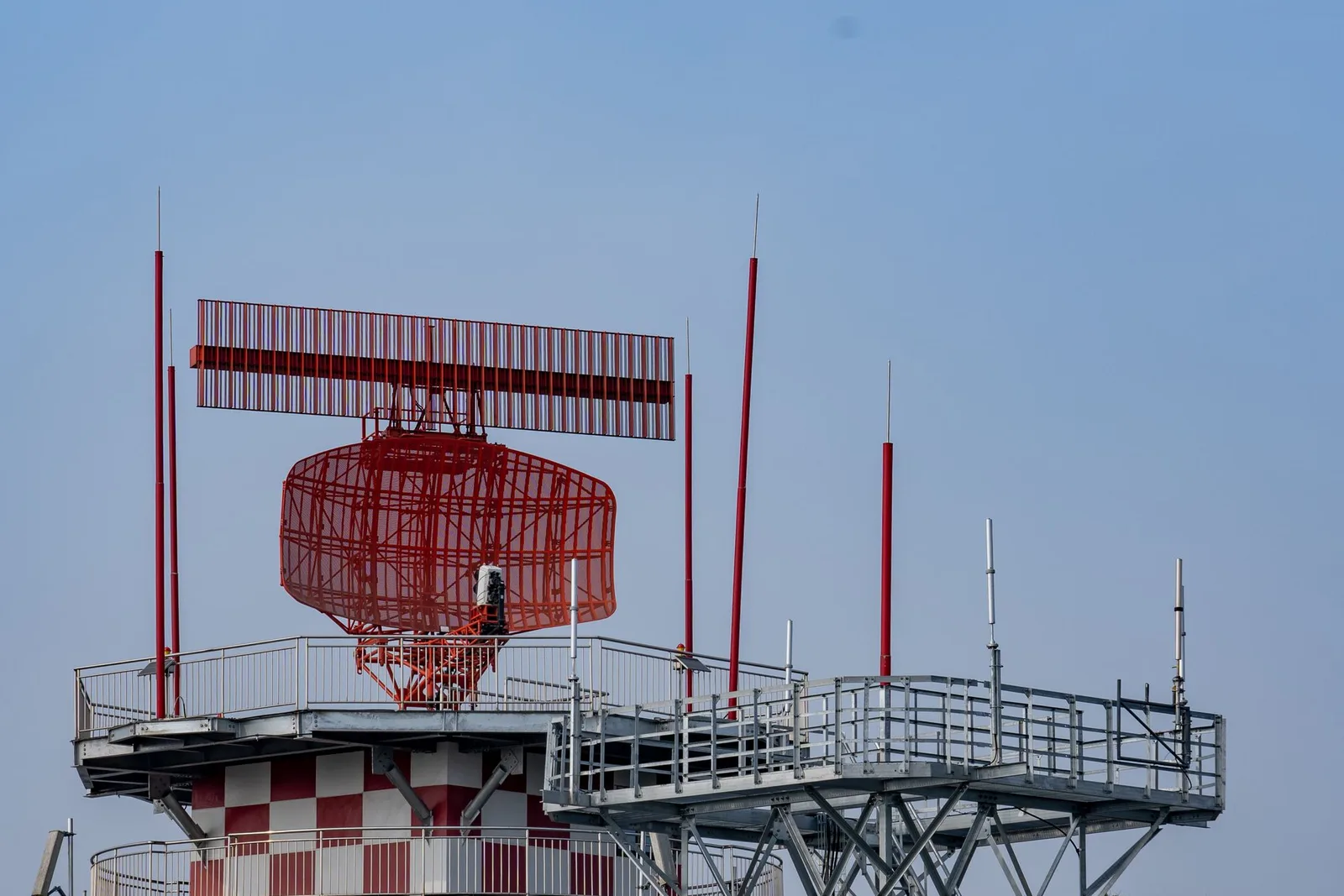
The FAA's initial investigation points to two possible sources of the data flood: a radar site in Amarillo, Texas, and a radio communications site in El Dorado, Arkansas. L3Harris, the FAA's network service provider, had been working at El Dorado, including installing a new router. The network settled once L3Harris blocked both locations. The FAA and L3Harris are still investigating the root cause.
The broadcasting function has since been switched off on the new routers, and the FAA says it disabled the same function on more than 60 similar routers as a precaution. Asked why the router replacement took place in the middle of the day, the agency said major facilities are normally maintained at night, that this was routine work at a remote site, and that it will reconsider when such work is scheduled.
The FAA attributes the instability to its legacy TDM system and says none of the towers upgraded under its current modernisation funding went down.
Airlines cancelled approximately 12,462 flights on 13 November, 9,082 of them at major carriers, according to the FAA, which noted that not every cancellation was a direct result of the ground stop.
A $50.1 billion request
On 17 November, Transportation Secretary Sean Duffy, FAA Administrator Bryan Bedford and White House budget director Russ Vought wrote to House and Senate appropriators asking for $50.1 billion for air traffic control and airport modernisation. The US Department of Transportation, which published the request, presents the ground stop as proof that the money is needed. The request includes:
- $10.1 billion for digital architecture, including controller separation tools, more resilient telecommunications and air traffic flow management technology
- $10 billion for five new consolidated Air Route Traffic Control Centers to replace the current 22
- $10 billion to build and improve up to 140 control towers
- $10 billion for airport infrastructure and another $10 billion for terminal modernisation
The new money would come on top of the $12.5 billion Congress approved in July 2025. The department says all of that sum has been allocated and should be fully spent by the end of 2028, and that the work so far includes replacing 70% of copper telecommunications lines at air traffic control facilities with fibre, 5G wireless or low-earth-orbit links. Whether the larger request is funded is now a question for the House and Senate appropriations committees.