2026 Air Traffic Controller Salary: How Much Do Air Traffic Controllers Make in 2026?

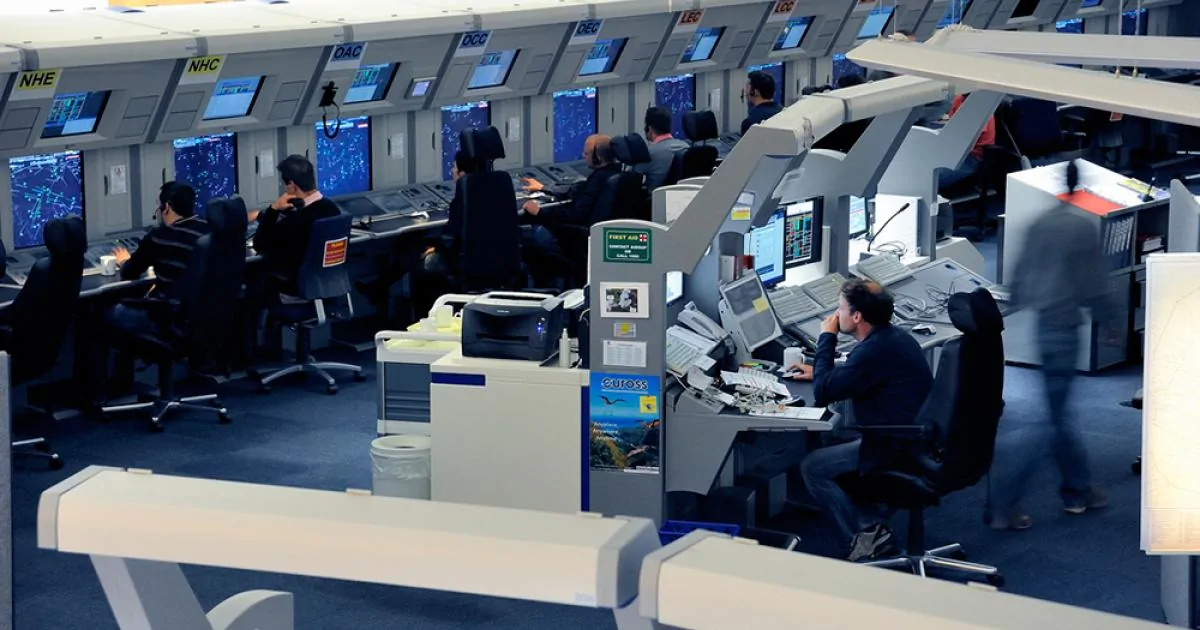
Air Traffic Controllers are among the best-compensated public-safety professionals. Pay reflects responsibility, shift work, and certification level.
Image credit: EUROCONTROL
Last updated: March 28
Curious what Air Traffic Controllers earn? Here is a clear, practical breakdown: typical base pay, common allowances, and how pay changes with experience, unit type, and country.
Exact salaries are rarely published publicly and vary significantly by unit, making real-world ranges more useful than official base figures.
The average air traffic controller salary varies widely by country, but real-world ranges are more useful than a single global number.
Air traffic controller salary per month typically ranges from solid middle-income pay during training to very high monthly earnings after validation, depending on the country, unit, and overtime availability. For example, a licensed controller earning $120k annually typically makes around $7,000-$10,000 per month after taxes, depending on country and deductions.
In the United States, data from the U.S. Federal Aviation Administration (FAA) shows air traffic controllers consistently rank among the highest-paid public safety roles.
Not all candidates complete training, which affects overall career earnings. If you are still at the selection stage, read How to Pass the FEAST Test (2026 Guide): Preparation, Tips & Strategies to improve your chances of reaching training and licensed pay faster.
Contents
Quick Answers
- USA: $100k-$170k is typical for licensed FAA controllers; $200k+ is possible at top facilities with heavy overtime.
- Europe: €55k-€150k+ is a practical overall range, with very wide variation depending on ANSP and unit.
- Middle East: $120k-$180k equivalent package value is common at major hubs when housing and tax advantages are included.
- Nordics/Benelux: Competitive totals often fall around €70k-€130k, depending on unit and local cost of living.
- UK & Ireland: £55k-£120k+ depending on unit, shift pattern, and allowances.
- Entry trainees: Paid during training; typically 40–70% of licensed pay depending on provider and country.
What Actually Affects ATC Pay
Controller compensation is a stack of components, not just base pay. These factors usually make the biggest difference:
- Facility and traffic level: Busier centers and complex airspace pay more.
- Rating/certification: Tower, Approach, En‑route (ACC) ratings and unit validations increase pay.
- Shifts and nights: Premiums for nights, weekends, and holidays are common.
- Overtime: Voluntary or rostered overtime can materially increase annual totals.
- Staff shortages: In some regions, high salaries are partly driven by staffing shortages, which increase overtime opportunities.
- Location/cost of living: Metro hubs and high-COL regions pay higher cash or supplements.
- Contract and union terms: National agreements and steps/scales define progression.
Typical Ranges by Region
These are practical, rounded ranges to help planning. Real offers vary by provider and unit.
| Region | Licensed Controller (Total Comp) | Notes |
|---|---|---|
| USA | $100k-$170k (top facilities can exceed $200k with OT) | FAA pay depends on facility level, pay bands, differentials, and overtime. |
| Western Europe | ~€55k-€150k+ | Europe has the widest variation globally depending on ANSP, unit complexity, and allowances. |
| Nordics / Benelux | €70k–€130k | Competitive base plus strong benefits; COL differs by city. |
| UK & Ireland | £55k–£120k+ | London weighting or location allowances can apply. |
| Middle East Hubs | $120k-$180k equivalent package value | Often tax-advantaged, with housing, education, or relocation benefits included in the total package. |
Starting vs Experienced Pay
Trainee pay begins once you join and pass initial screening. During training and unit validation, you are usually paid at a reduced rate. After validation at your unit, your pay steps up to the licensed level for that facility.
- Trainee: Often 40–70% of licensed pay, depending on country/provider.
- Freshly validated: Full licensed base + shift premiums begin.
- Experienced (multi‑rating): Higher steps and opportunities for instructor/examiner pay.
Allowances, Overtime, and Benefits
- Shift/night/weekend premiums: Fixed percentage add‑ons for certain duties.
- Overtime: Often paid at 1.25x–2x depending on agreement and day.
- Pension/retirement: Public-sector style in many countries; private in others.
- Insurance and wellness: Medical, vision, and psychological support programs are common.
- Relocation/housing: More typical for international moves and certain hubs.
Real ATC Salary Examples
These examples are indicative snapshots. Actual offers depend on unit, roster, and contract terms.
| Country / Provider | Typical Range | Notes |
|---|---|---|
| USA (FAA) | Trainee: ~$30k-$60k Most licensed controllers: ~$100k-$170k Top facilities: $180k-$220k+ with heavy OT | FAA pay depends on stage, location, facility level, locality adjustments, differentials, and overtime availability. |
| Germany (DFS) | ~€100k-€200k+ | DFS is one of the strongest-paying examples in Europe, especially at larger units. |
| United Kingdom (NATS) | ~£60k-£130k+ | Location allowances and unit complexity influence pay bands. |
| Denmark (NAVIAIR) | ~€90k-€130k+ depending on unit | Higher totals are possible once allowances and unit-specific conditions are included. |
| UAE (Dubai) | ~$120k-$180k equivalent package value | Total package value often includes tax advantages, housing, and other benefits. |
Highest Paying ATC Jobs in the World
Regions that frequently offer the highest total compensation:
- Switzerland (Skyguide): often one of the strongest-paying ATC employers globally.
- Germany (DFS): strong base pay and excellent upper-end earning potential.
- USA: high-level facilities with differentials and overtime potential.
- Middle East hubs: tax-advantaged packages with housing and benefits.
- Norway and Denmark: competitive wages paired with robust benefits.
Within each region, the most complex and high-traffic units tend to sit at the top of the pay scale, especially where staffing demand is high.
Is ATC Salary Worth It?
Pros
- Typically no university degree required, though entry requirements are highly selective.
- Paid training and earlier earning compared to long academic routes.
- Clear progression steps tied to ratings and unit validation.
Cons
- Shift work, nights, weekends, and holidays.
- Stress and sustained attention requirements.
- High washout during training for some candidates.
If you enjoy structured problem solving under time pressure and can maintain discipline on shifts, the compensation and career stability can be very attractive.
How Pay Grows Over Time
Growth is usually step-based (time in post) plus jumps for new validations or roles. Many ANSPs also offer instructor, examiner, or supervisor pathways that add differentials on top of your controller rate.
A simple example timeline can help. This is illustrative and will vary by provider:
- Year 0: Trainee salary while in basic training and unit conversion.
- Year 1: Unit validation at a tower or approach unit and move to licensed pay for that unit.
- Year 3: Additional rating or transfer to a busier facility with higher pay band.
- Year 5: Opportunities for on-the-job instructor or examiner differential, depending on unit needs.
Lateral moves between units also affect compensation. Moving to a complex approach or area control center can increase both base pay and the availability of premiums, especially where staffing demand is high.
How Hard Is It to Reach Top Salary?
Reaching the very top of the scale usually requires time, successful validations, and in some cases selection into the busiest facilities. Training failure rates are non-trivial, and not everyone reaches area control center roles.
- Training washout can occur at various stages, typically during unit conversion.
- Time to full salary often ranges from 2 to 5 years depending on unit and throughput.
- Top-paying roles are limited and may require transfers or competitive selection.
FAQ
Do controllers get paid during training?
Yes. Most ANSPs pay trainees from day one, at a trainee rate that increases after unit validation.
Is ATC pay worth the shift work?
For many, yes. Pay, benefits, and job satisfaction balance the shifts. It is personal, and roster quality matters.
How fast can pay rise?
Step increases often occur annually with bigger jumps on new validations or role changes.
Related Blog Posts

How to Become an Air Traffic Controller (2026 Guide)
How to become an air traffic controller in 2026: eligibility, age limits, selection tests, and train...
Read More
What Skills Do You Need to Be an Air Traffic Controller?
The skills air traffic controller selection actually measures: spatial awareness, working memory, mu...
Read More
SureSelect Preparation Suite (2026): What Each Module Measures and How to Prepare
What each SureSelect Preparation Suite module trains: cognitive ability, ATC skill simulations, and ...
Read More