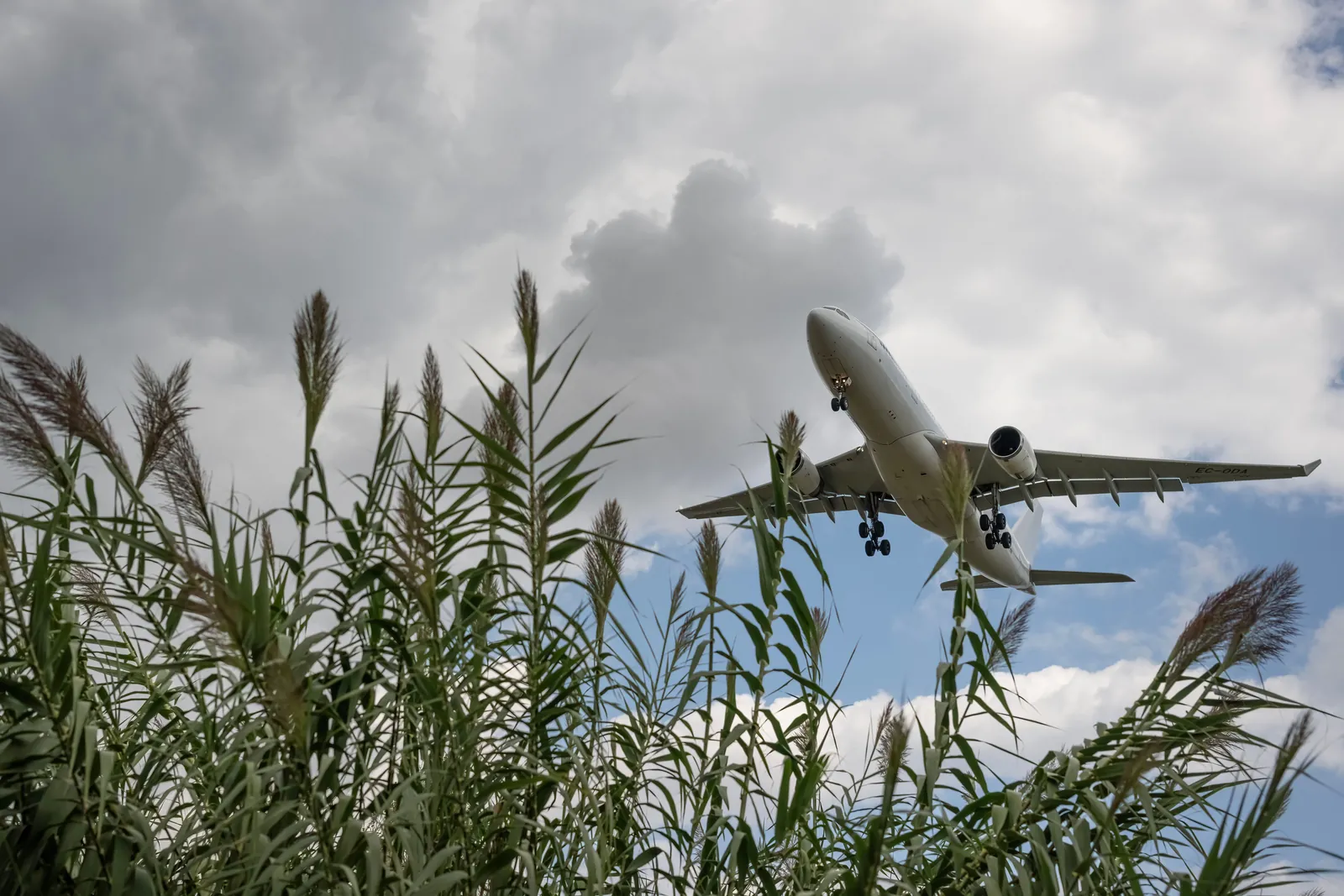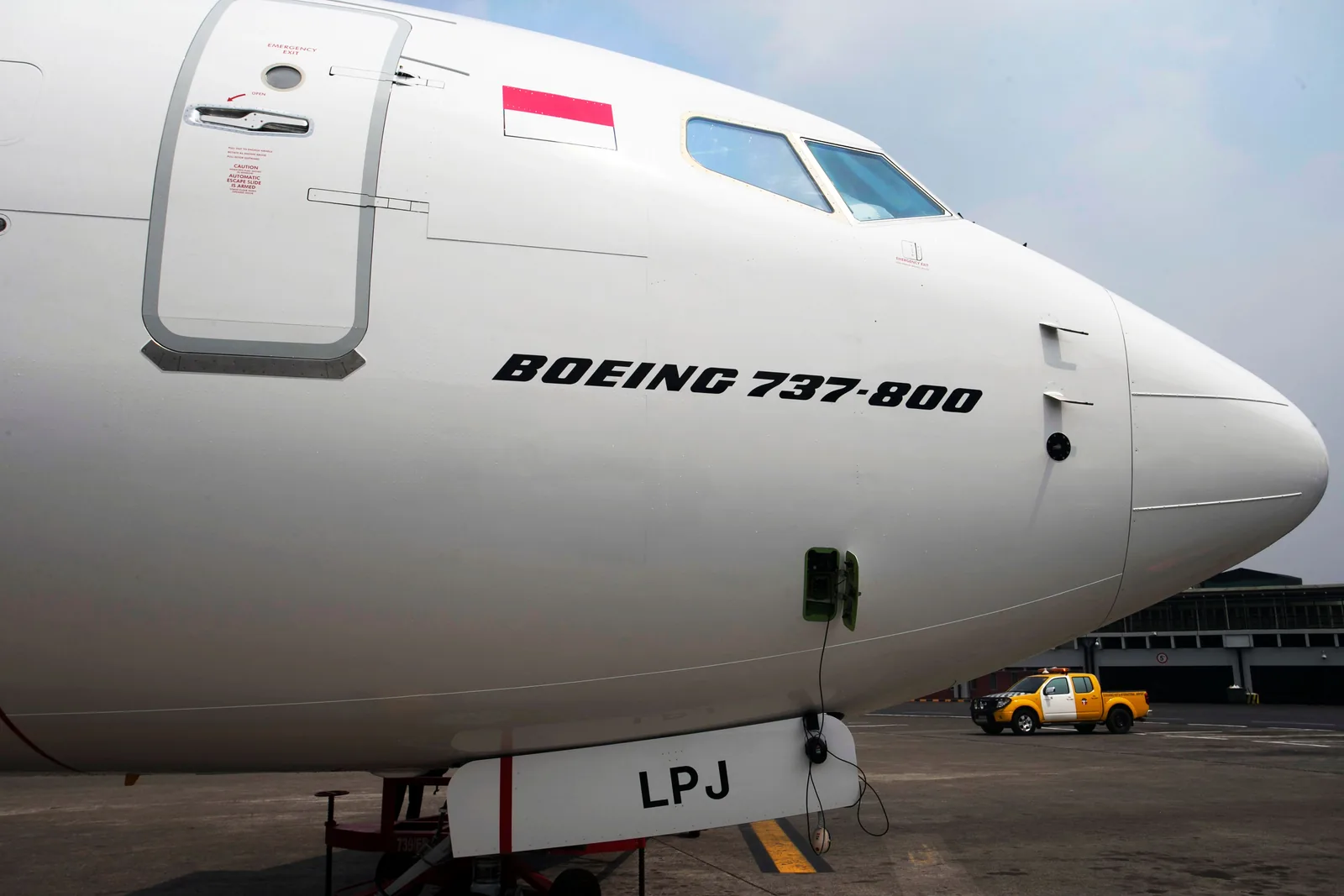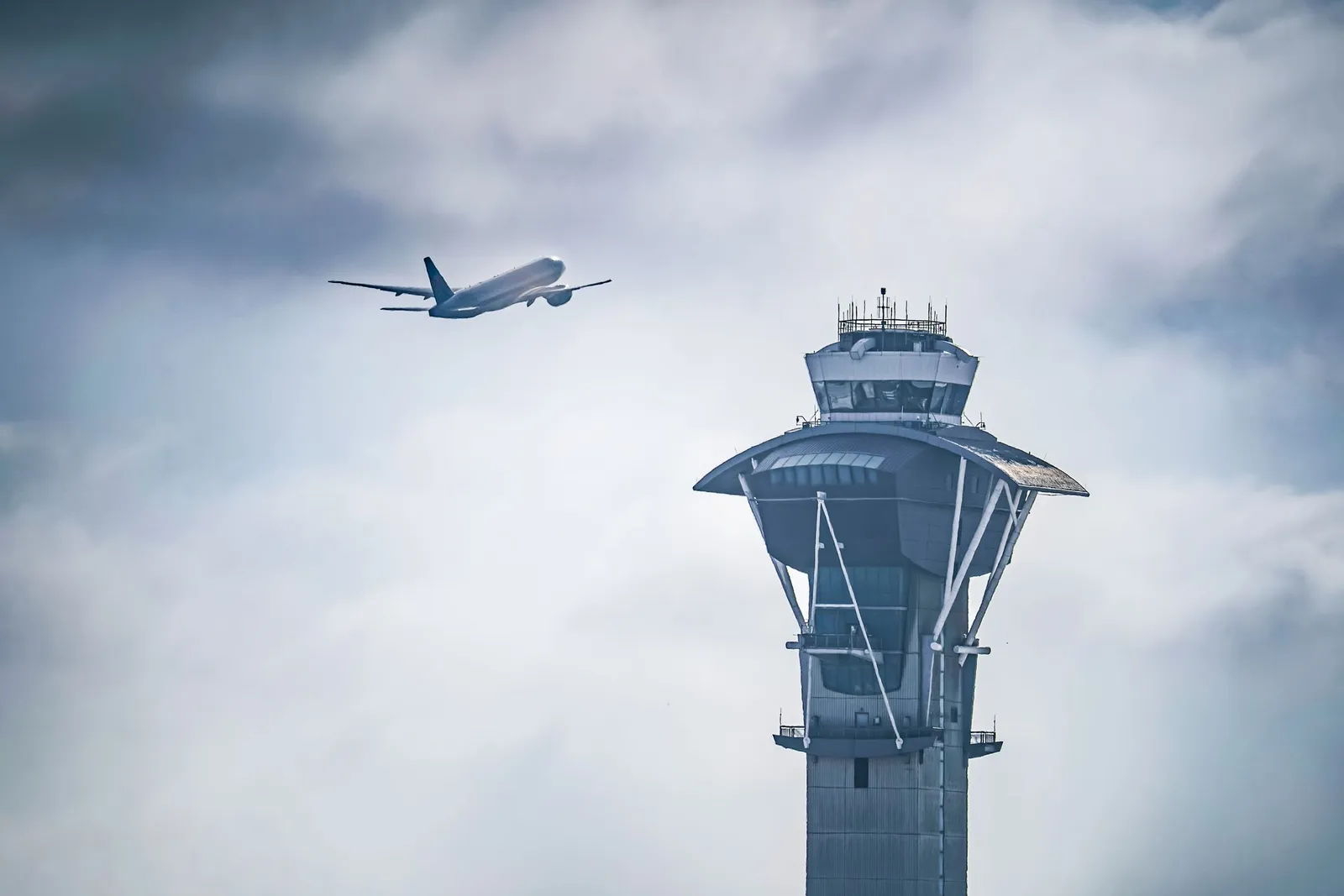

ATSB Report: Safety Vehicle On Active Melbourne Runway Forced 737 Freighter To Reject Take-Off

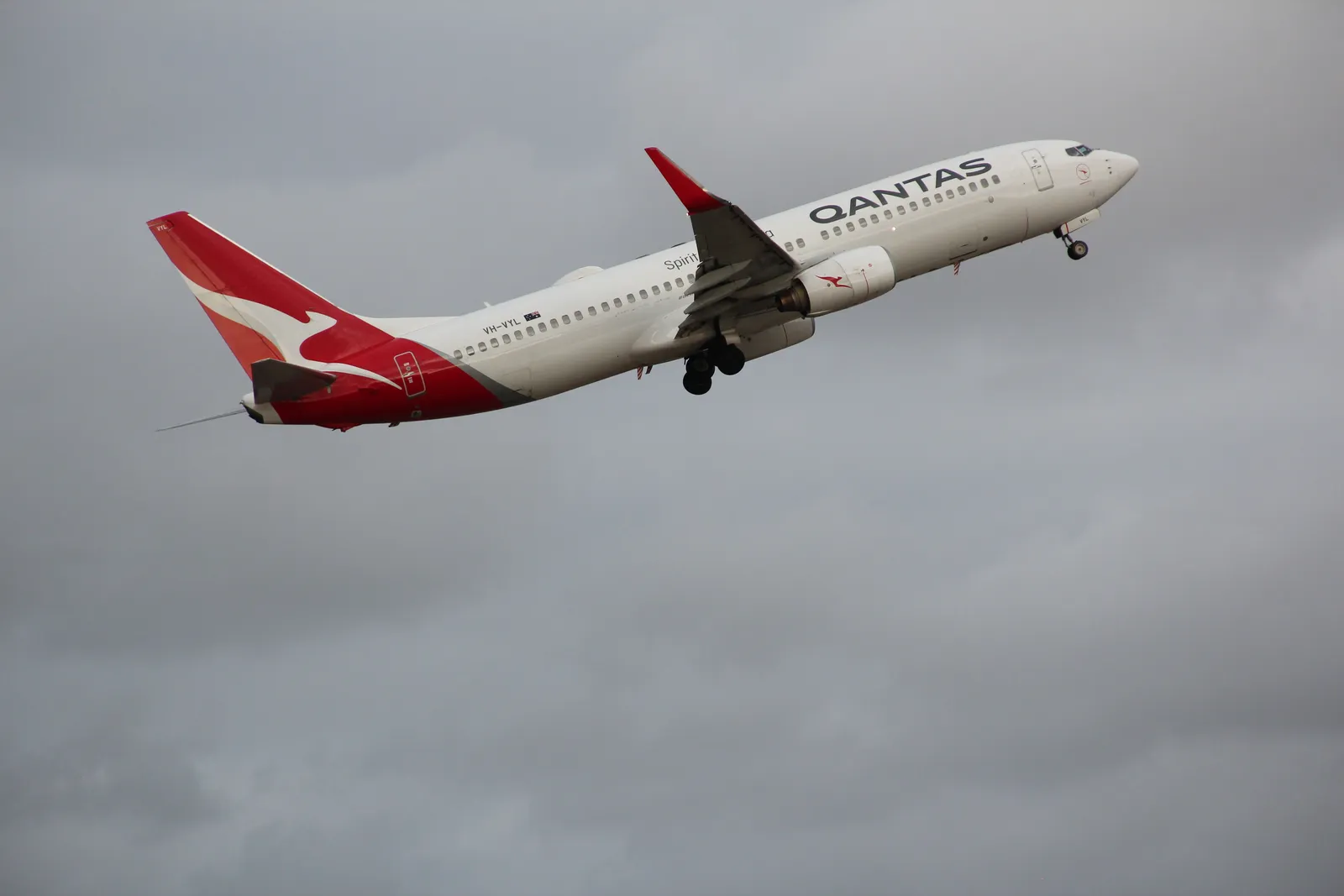
An airport safety car drove onto Melbourne Airport's active runway 34 on 17 February 2026 as a Team Global Express Boeing 737 freighter accelerated for take-off, and the crew rejected the take-off at 139 knots. The ATSB's final report, released on 20 November, links the incursion to changed works lighting, a missed briefing step and visual cues that did not mark the active runway clearly enough.
The take-off run at Melbourne Airport had been under way for 12 seconds when the tower console flagged a vehicle on runway 34. The Boeing 737 freighter on that runway was accelerating towards the intersection with a closed crossing runway, where an airport safety car had just driven onto the active runway without clearance. The controller sent the car off the runway and told the crew to stop, and the pilots rejected the take-off at 139 knots.
The Australian Transport Safety Bureau released its final report on the serious incident on 20 November. It happened at about 4:45 am local time on 17 February 2026, in darkness, as the 737-8BK registered ZK-TXB prepared to leave for Adelaide on a scheduled Team Global Express freight service with two pilots on board. No one was hurt, and neither the aircraft nor the vehicle was damaged.
How the car reached runway 34
Runway 09/27, which crosses the main runway 16/34, had been closed overnight for maintenance as part of a runway overlay project and was due to reopen at 6 am. Airside safety officers were driving along it to collect the red unserviceability lights and cones that marked the closure. The works had moved into a new stage the night before, which changed where those lights stood, and the pre-shift briefing did not include the review of the local works plan that procedures required. The officer driving the car told investigators they had not known about the change.
According to the report, the car passed the exit to taxiway A without the driver realising it. When it approached the intersection with runway 34, the driver believed it was taxiway V. Following the team's usual leap-frog routine, in which one officer drives around a row of lights for a colleague to collect, the driver went round the lights and onto the active runway. The officer also told the ATSB they had slept badly, with about six hours of sleep in the previous 24 hours.
What the tower saw
One controller was working the tower and ground frequencies together while a second was on a scheduled rest break, and the car had not called for clearance. At 04:45:19 the airport's surface movement system, A-SMGCS, raised a runway occupied alert, shown as a red box around the target with an audible warning. The controller looked out, saw the car and the accelerating aircraft, told the car to vacate and at 04:45:35 instructed the crew to "stop immediately".
The car left the runway at 04:45:45. Recorded surveillance data put the 737 about 412 metres from the intersection at that moment, and the pilot in command estimated the aircraft crossed it at 70 to 80 knots. The rejection came 2 knots below the calculated decision speed of 141 knots, so the crew had the airport fire service check the tyres and brakes before moving. The brakes needed about 48 minutes to cool before engineers could inspect them. After a debrief and a call with the operator, the pilots judged themselves fit to fly and left for Adelaide at about 6:19 am.
Findings and changes
The ATSB found that the visual cues inside the works did not distinguish the entrance to the active runway clearly enough from the other crossings, and it recorded a safety issue against Civil Aviation Safety Authority Advisory Circular 139.C-15-v1.0 on aerodrome works, which did not require that distinction. It also found that Melbourne Airport had not risk assessed every stage of the overlay project, even though the closed runway crossed the active one every night for several months. The bureau classed that as a factor that increased risk, not one that contributed to this incident.
Australia Pacific Airports (Melbourne), the airport operator, is keeping its orange closure cones and has begun procuring yellow ones to mark entry points to an active runway from a closed one. Its other steps include an audit of lighting at runway intersections and a revision of procedures for closing and reopening runways. CASA plans to amend parts of two Advisory Circulars on aerodrome works, according to the ATSB.
ATSB Chief Commissioner Angus Mitchell pointed to the part of the system that worked: the car carried a transponder, so its entry onto the runway triggered the controller's alert. "Effective worksite controls must provide clear and distinct indications of the boundary between active and inactive runways when temporary works alter or remove normal runway and taxiway cues," he said in the bureau's statement.
Content Attribution
Photo Credit: Mr Ozturk
License: Pexels License
Original source: https://www.pexels.com/photo/qantas-boeing-737-800-takes-off-from-melbourne-airport-30107404/