
FAA Orders Repeated Flight Control Tests On Certain Boeing 737s

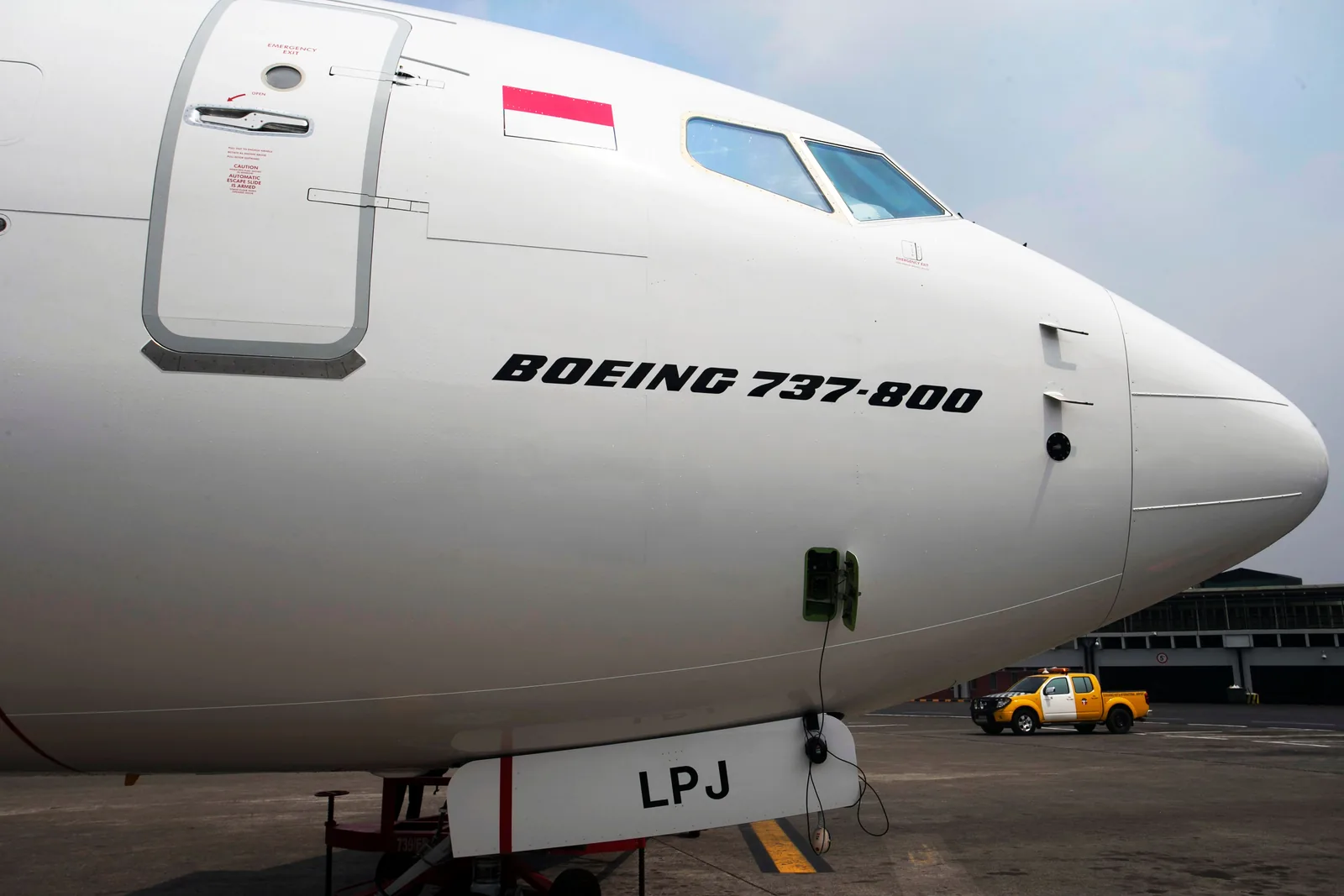
The FAA published airworthiness directive AD 2026-23-04 on 20 November 2026, requiring repetitive digital flight control tests on certain Boeing 737-600, 737-700, 737-700C, 737-800 and 737-900 aeroplanes. The rule takes effect on 7 December 2026, after a review found that missing or erroneous spoiler data could stop an autothrottle monitor from activating.
The Federal Aviation Administration has ordered repeated tests of the digital flight control system on certain Boeing 737-600, 737-700, 737-700C, 737-800 and 737-900 series aeroplanes, after a review of an autothrottle safeguard found that spoiler sensor data can be missing or wrong. The new airworthiness directive, AD 2026-23-04, was published in the Federal Register on 20 November 2026 and takes effect on 7 December 2026.
The FAA says the review concerned the autothrottle cruise thrust split monitor, which the rule calls MONFD. If spoiler position data is latently lost or erroneous, the monitor may fail to activate. That, the agency says, could allow a significant difference in thrust between the two engines to develop without the autothrottle disconnecting, and that could produce an uncommanded roll. If the flight crew does not detect and correct that roll in time, the FAA says, the result could be a loss of control and of continued safe flight and landing.
What operators must do
The directive requires the actions marked as required for compliance in Boeing Alert Safety Advisory 737-BSA-22-001, dated 30 October 2026. That material, the FAA says, sets out repetitive aileron built-in test equipment, or BITE, tests of the digital flight control system, and the steps that follow if a test fails: the failure is addressed and the test is repeated until it passes. The times for doing the work are in the advisory. Where that document measures time from its own original issue date, the directive instead uses 7 December 2026, the AD's effective date.
The rule applies only to the aeroplanes identified in the Boeing advisory, certificated in any category. The models named in the Federal Register text are the 737-600, 737-700, 737-700C, 737-800 and 737-900 series. The FAA estimates that 300 aeroplanes on the US registry are affected. It estimates each test cycle at two work-hours, or $170 per aeroplane and $51,000 across the US fleet, with no parts cost. The agency says it has no definitive figures for the cost of the follow-up work after a failed test.
Why the rule was issued without prior comment
Acting Deputy Director Brian Knaup of the FAA's Integrated Certificate Management Division issued the directive on 10 November 2026 as a final rule with a request for comments, rather than as a proposal first. The FAA says the risk to the flying public, and a compliance time shorter than a normal comment period, gave it good cause to skip notice and comment before adoption. Comments are still invited until 4 January 2027, and the agency says it may amend the rule in light of them.
An airworthiness directive is a legally enforceable FAA regulation, issued under 14 CFR part 39, to correct an unsafe condition in an aircraft, engine, propeller or appliance, the FAA's airworthiness directives page says. No earlier airworthiness directive is listed as affected. The subject code is ATA 22, Auto Flight. The docket is FAA-2026-13812.
Content Attribution
Photo Credit: Jeffry Surianto
License: Pexels License
Original source: https://www.pexels.com/photo/close-up-of-the-lion-airlines-boeing-737-800-airliner-parked-at-the-airport-19804560/